









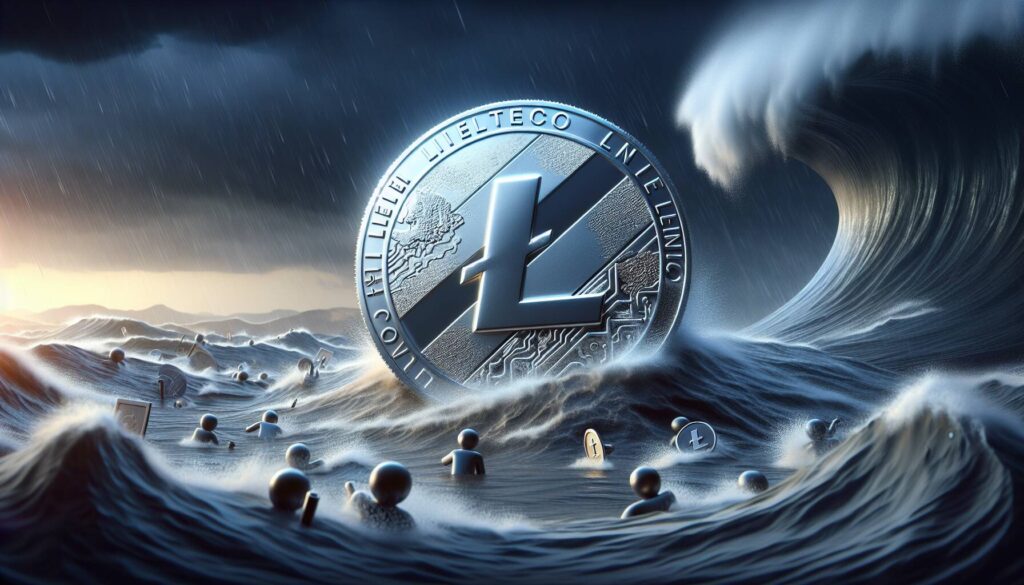
Litecoin has made its mark as a resilient digital asset in the ever-evolving landscape of cryptocurrency. Born out of the desire for faster transaction times and lower fees, Litecoin was created by Charlie Lee in 2011 as a “lighter” version of Bitcoin. Its history is rich with innovation, showcasing a commitment to addressing some of the limitations of its predecessor.
This cryptocurrency operates on a unique technical framework, implementing a distinct hashing algorithm called Scrypt, which sets it apart from Bitcoin’s SHA-256. This choice allows for more accessible mining, particularly for individuals using consumer-grade hardware. Over the years, Litecoin has consistently evolved, introducing features such as the Lightning Network, which enhances transaction speed and reduces congestion during peak times.
“Litecoin is often regarded as the silver to Bitcoin’s gold, a trustworthy option for those exploring the digital currency realm.”
Despite the burgeoning competition in the crypto arena, Litecoin’s pivotal role remains undisputed. Its commitment to innovation and a vibrant community continues to foster its longevity, making it a cornerstone of the cryptocurrency ecosystem. Advocates cite its speed, security, and low transaction costs as key reasons for its enduring presence, drawing attention from both investors and developers alike.
As the cryptocurrency market matures, Litecoin stands firm, adapting to changes while maintaining its foundational principles. The digital asset not only serves as a practical medium for transactions but also symbolizes the spirit of innovation at the heart of the cryptocurrency movement.
Litecoin: A Resilient Digital Asset
Litecoin is known for its longevity and significance within the cryptocurrency landscape. Here are the key points around its history, features, innovations, and its enduring presence:
- History of Litecoin
- Created in 2011 by Charlie Lee as a “silver” to Bitcoin’s “gold”.
- One of the first altcoins, contributing to the diversification of cryptocurrencies.
- Technical Features
- Utilizes a different hashing algorithm (Scrypt) compared to Bitcoin’s SHA-256.
- Faster transaction times with an average block generation time of 2.5 minutes.
- Innovations
- Adoption of Segregated Witness (SegWit), enhancing transaction efficiency.
- Implementation of Lightning Network for instant and low-fee transactions.
- Enduring Presence
- Strong community support contributes to its resilience against market volatility.
- Involvement of the Litecoin Foundation in continuous development and partnerships.
The relevance of Litecoin in the cryptocurrency ecosystem may influence investment strategies for individuals looking to diversify their portfolios.
Litecoin: The Enduring Backbone of the Crypto Ecosystem
Litecoin has carved out a significant niche within the cryptocurrency landscape, boasting a rich history that dates back to 2011. Renowned for its speed and efficiency, this digital asset embraces a unique technical framework that distinguishes it from larger counterparts such as Bitcoin. With lower transaction costs and quicker confirmation times, Litecoin presents itself as a superior option for everyday transactions, leveraging its innovative features to attract users who prioritize speed and usability.
When comparing Litecoin to similar cryptocurrencies, its pioneering role as one of the first altcoins offers substantial competitive advantages. Its early inception has provided Litecoin with a broad and loyal user base, positioning it as a more stable investment during market fluctuations. Additionally, its active developer community continuously works on enhancements and innovations, solidifying its relevance in a fast-evolving market.
However, Litecoin faces challenges that could hinder its growth. As the crypto market becomes saturated with new entrants claiming advanced technical features, Litecoin must continually innovate to maintain its edge. Moreover, the looming dominance of larger cryptocurrencies like Ethereum and Bitcoin can overshadow Litecoin’s offerings, potentially confusing less-informed investors and undermining its market presence.
The advantages of Litecoin make it particularly appealing for tech-savvy investors and those looking to conduct transactions quickly without the hefty fees often associated with larger coins. Alternatively, traditional investors who may be hesitant about digital assets might find the wealth of information and established reputation of Litecoin reassuring, offering a barrier to entry that newer cryptos may lack. Nevertheless, the evolving nature of the cryptocurrency world could also pose problems for Litecoin if it cannot swiftly adapt to emerging trends and investor expectations.
In essence, while Litecoin possesses several strengths that enhance its position in the crypto ecosystem, it must navigate a complex landscape of competition and innovation to sustain its relevance and growth prospects.