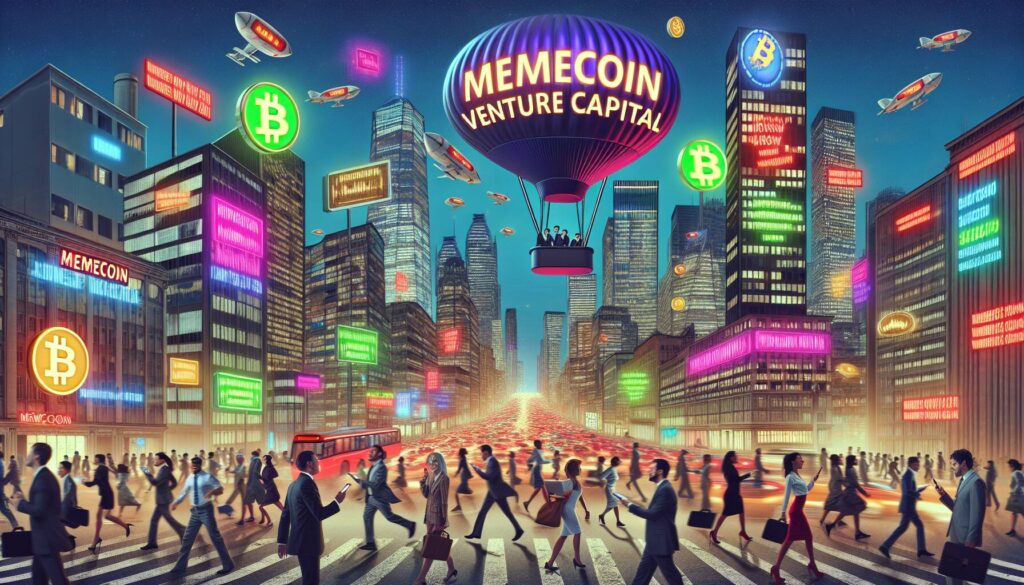










The cryptocurrency market is once again making headlines as various factors shape its dynamic landscape. Recent insights reveal a growing sentiment around an “AI bubble,” a phenomenon where investments in artificial intelligence are surging alongside the rising popularity of digital currencies. This intriguing intersection points not only to the technological advancements that are captivating investors but also to the potential for AI to revolutionize the financial world.
Meanwhile, the discussion does not stop at AI. The state of the U.S. dollar is also a critical aspect affecting the crypto arena. A bearish trend in the dollar’s strength could lead to increased interest in alternative assets, including cryptocurrencies, as investors seek to hedge against economic uncertainty. This broader economic backdrop sets the stage for an evolving conversation around how these two forces—AI advancements and currency fluctuations—interact within the crypto exchange ecosystem.
As the market navigates these shifts, the interplay between traditional financial indicators and cutting-edge technology may create unique opportunities and challenges for traders and investors alike.
Impact of AI Bubble and Weaker U.S. Dollar on Crypto Exchange
This article discusses two significant factors influencing the crypto market: the ongoing AI bubble and the depreciation of the U.S. dollar. Below are the key points concerning their implications:
- AI Bubble
- The surge in AI investments has led to inflated valuations in tech companies.
- Investors may seek alternative assets like cryptocurrency to diversify their portfolios.
- Potential for increased innovation and adoption in blockchain and crypto technologies due to AI advancements.
- Weaker U.S. Dollar
- As the dollar weakens, cryptocurrency can become more appealing as a hedge against inflation.
- International investors may flock to crypto markets, driving up demand and prices.
- Fluctuations in the dollar’s value can lead to increased volatility in the crypto market.
The interplay between the AI bubble and a weaker dollar could shape investment strategies and market dynamics significantly.
Analyzing the Impacts of the AI Bubble and a Declining U.S. Dollar on the Crypto Exchange Landscape
The recent observations from the crypto exchange regarding the persistent AI bubble and the weakening U.S. dollar have stirred conversation among investors and market analysts alike. These two elements are creating a unique environment for cryptocurrency markets, presenting both opportunities and challenges.
On one hand, the surge in AI technologies has captured investor interest, often leading to increased allocations in related assets. This trend can be particularly beneficial for crypto projects that incorporate AI into their offerings, potentially attracting tech-savvy investors looking for innovative solutions. Moreover, as traditional markets fluctuate, cryptocurrencies can position themselves as an alternative investment avenue during times of economic uncertainty, particularly for those disillusioned by the instability of fiat currencies like the U.S. dollar.
However, the ongoing AI bubble poses certain risks. Investors may experience fatigue or disappointment if AI investments do not yield the expected returns, which could spill over into the crypto space as well. Similarly, a weaker U.S. dollar may lead to increases in crypto valuations in dollar terms, but it could also attract regulatory scrutiny aimed at stabilizing the currency, affecting how crypto exchanges operate. This situation creates a complex battlefield for investors, where understanding market sentiment around AI and currencies is crucial.
Ultimately, the developments surrounding the AI bubble and the U.S. dollar dynamics could significantly benefit investors who are well-informed and adaptable. Those who might find themselves in a precarious position are investors clinging to traditional assets, as the shifting landscape could lead to missed opportunities or significant losses if they fail to diversify into the growing digital asset realm.