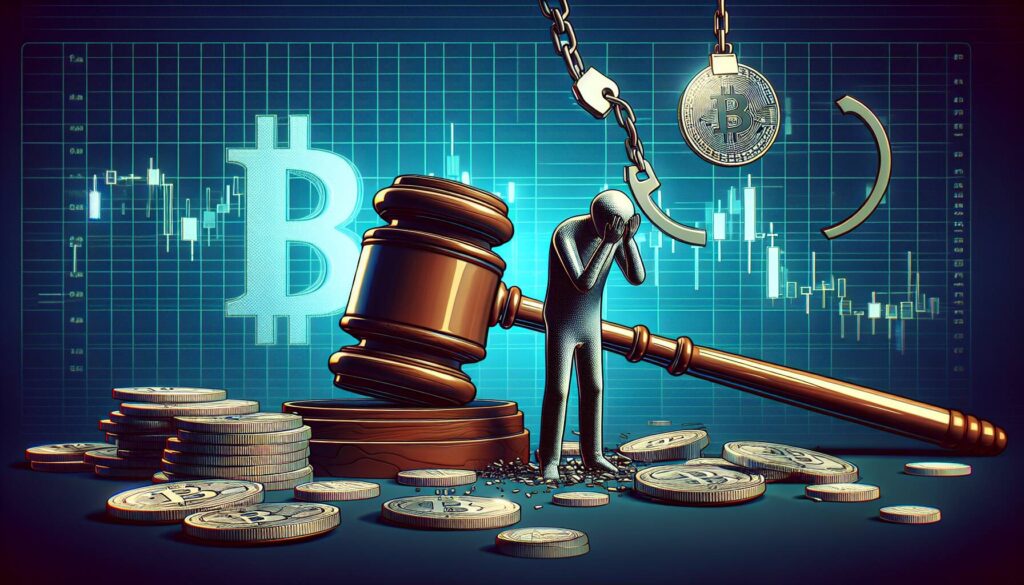
In a landmark ruling that has sent shockwaves through the cryptocurrency community, Do Kwon, the creator of TerraUSD, has been sentenced to a significant 15 years in prison. This decision comes in response to his role in a staggering $40 billion fraud that led to a catastrophic collapse of the stablecoin market in 2022. Kwon, a prominent figure in the crypto world, now faces the consequences of his actions, which have been described as a major breach of trust and responsibility in the financial sector.
This case highlights the growing scrutiny and regulatory pressure facing cryptocurrency entrepreneurs, as authorities work to protect investors and stabilize the rapidly evolving market. Kwon’s sentencing marks a pivotal moment in the ongoing battle against fraud in the world of digital assets, underscoring the importance of accountability for those who mislead investors in pursuit of profit.
As the crypto landscape continues to evolve, this incident serves as a reminder of the risks involved and the need for transparent practices within the industry.
With the fallout from Kwon’s actions still echoing throughout the market, many eyes will be on how the broader crypto space adapts to this seismic shift in perception and regulation. The ramifications of this case extend far beyond Kwon himself, potentially reshaping the future of cryptocurrency investment.
Do Kwon Sentenced: Key Points
Below are the important aspects related to the sentencing of Do Kwon and its implications:
- Prison Sentence: Do Kwon has been sentenced to 15 years in prison.
- Fraud Amount: The fraud involved an estimated $40 billion related to stablecoin.
- Impact on Cryptocurrency Market: The collapse triggered by Kwon’s actions affected many investors and shook confidence in the crypto market.
- Regulatory Response: This case may prompt stricter regulations in the cryptocurrency sector to protect consumers.
- Lessons for Investors: The situation highlights the need for due diligence and caution in cryptocurrency investments.
- Broader Implications: The case reflects on the importance of ethical practices in finance and technology sectors.
This sentencing might influence investor behavior and market trends moving forward.
Do Kwon’s Sentencing: Implications for the Crypto Landscape
The sentencing of Do Kwon, a prominent figure in the cryptocurrency world, to 15 years in prison for orchestrating a staggering $40 billion stablecoin fraud, presents significant ramifications for the entire industry. This high-profile case has drawn extensive media attention and sparked discussions on regulatory practices within the crypto space.
Competitive Advantages: Kwon’s sentencing could reinforce the argument for increased regulatory oversight in the cryptocurrency market. By holding a key player accountable, it may bolster confidence among investors wary of the speculative nature of digital currencies. News outlets covering this event can capitalize on the heightened interest in crypto regulation, potentially attracting a larger audience concerned about market stability and fraud prevention.
Competitive Disadvantages: On the flip side, the negative perception surrounding Kwon’s actions could deter new investors from entering the crypto space. This could slow down innovation and market growth, impacting companies that rely on a healthy investment ecosystem. Furthermore, the ongoing scrutiny may lead to more stringent regulations, which some industry players may view as an impediment to their operations and profitability.
In particular, established cryptocurrency exchanges and startups could see divergent effects. While major exchanges may benefit from heightened trust and a more secure trading environment, smaller entities might struggle to comply with new regulatory requirements, resulting in increased barriers to entry. Investors and consumers looking for transparency may find comfort in these regulatory moves, whereas those seeking the freedom that cryptocurrency has long promised might find these changes problematic.