









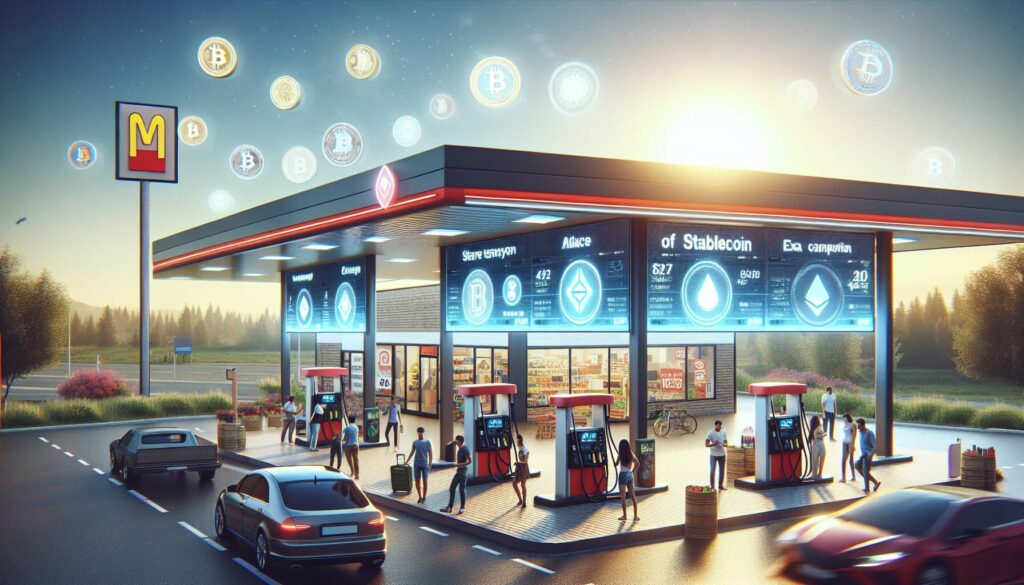
A groundbreaking partnership has emerged in the world of cryptocurrency and retail, as Al Maryah Community Bank has announced a new agreement that opens the door for stablecoin payments at ADNOC retailers. This development, which impacts gas stations, shops, and car washes, marks a significant milestone not only for the United Arab Emirates but also for Saudi Arabia and Ethiopia.
By integrating stablecoins into everyday transactions at these ADNOC locations, the initiative aims to enhance convenience and streamline payment processes for consumers. Stablecoins, known for their reduced volatility compared to traditional cryptocurrencies, provide an appealing alternative to cash and credit card payments, making them particularly suitable for routine purchases.
“This collaboration symbolizes a leap forward in the adoption of digital currencies in retail, paving the way for a more efficient, fast-paced consumer experience,” said a spokesperson from Al Maryah Community Bank.
The impact of this initiative could resonate far beyond the immediate markets of the UAE, Saudi Arabia, and Ethiopia, as it sets a precedent for other retailers in the region to explore similar digital payment solutions. As cryptocurrency continues to find its footing in various sectors, deals like this one highlight an evolving landscape where traditional and digital economies merge seamlessly.
Stay tuned as this innovative payment method unfolds, potentially reshaping how consumers interact with businesses in these fast-growing markets. The integration of stablecoin payments could signify a new chapter in retail, one where digital assets play a crucial role in everyday transactions.
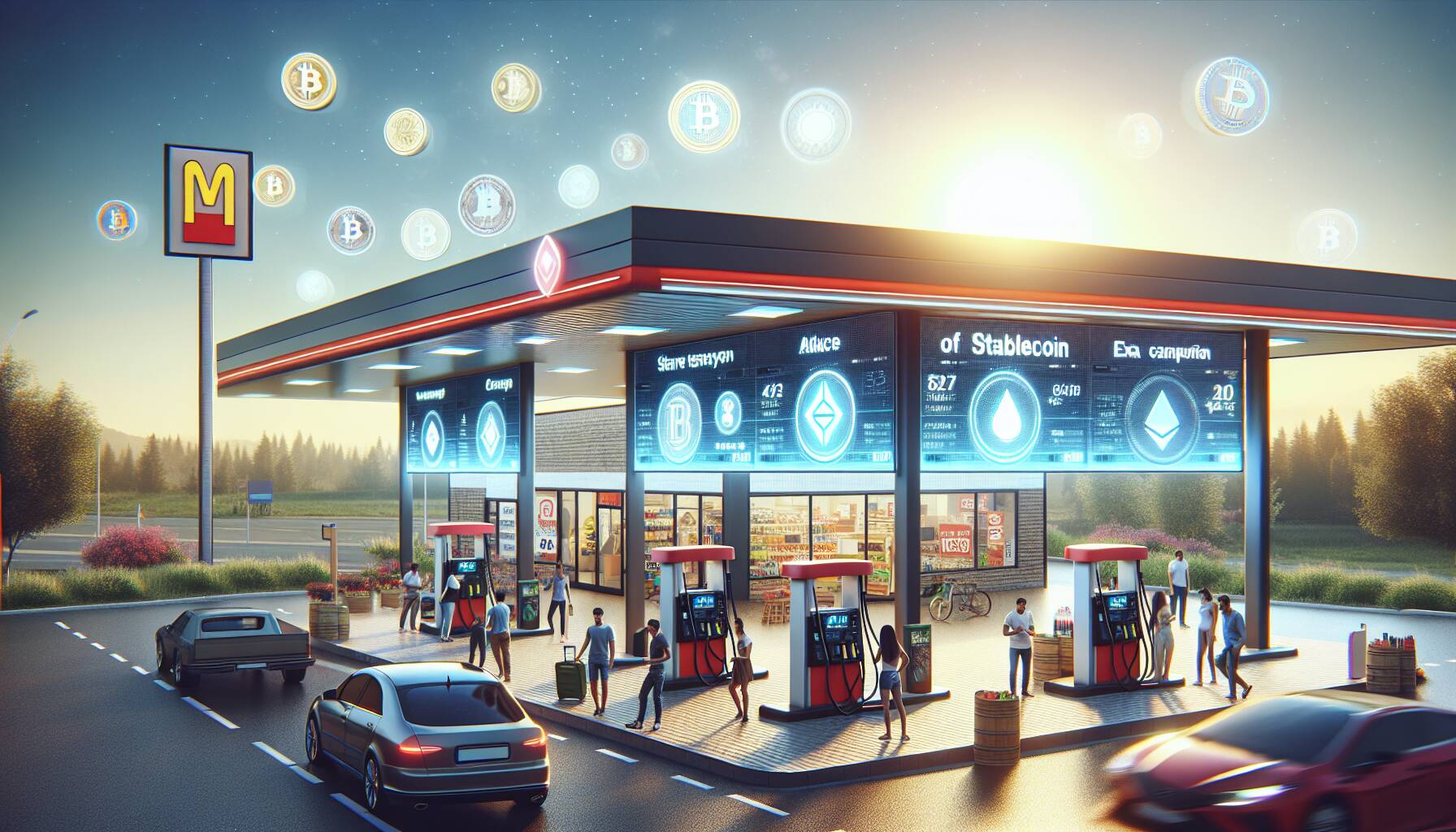
Stablecoin Payments at ADNOC Retailers
Key points regarding the new deal with Al Maryah Community Bank:
- Introduction of Stablecoin Payments: ADNOC retailers will now accept stablecoin payments, providing a modern payment option.
- Geographic Expansion: This implementation affects ADNOC locations in the UAE, Saudi Arabia, and Ethiopia, enhancing payment accessibility in these regions.
- Impact on Consumers: Customers can enjoy faster and more secure transactions at various retailers, including pumps, shops, and car washes.
- Boosting Digital Economy: The deal may contribute to the growth of the digital economy in the involved regions, encouraging more businesses to adopt cryptocurrency solutions.
- Potential for Broader Cryptocurrency Adoption: As consumers become accustomed to using stablecoins, this could pave the way for wider acceptance of cryptocurrencies in everyday transactions.
This shift towards innovative payment solutions could significantly enhance the consumer experience while promoting the digital currency landscape.
New Stablecoin Integration Revolutionizes ADNOC Retail Payment Landscape
The recent partnership between Al Maryah Community Bank and ADNOC is setting the stage for a significant shift in how consumers engage with retail transactions across the UAE, Saudi Arabia, and Ethiopia. With stablecoin payments now available at ADNOC’s pumps, shops, and car washes, this initiative aligns well with the broader trend of digitization in financial services. The seamless integration of cryptocurrency within everyday transactions represents a pioneering step towards enhancing customer convenience and security.
Unlike traditional payment methods that often incur hefty transaction fees and processing delays, stablecoin payments allow for instant transactions at lower costs. This competitive edge caters to a tech-savvy demographic that is increasingly looking for efficient payment solutions. Additionally, as other financial institutions look to innovate, ADNOC is firming its position as a leader in practical applications of blockchain technology within the retail sector.
However, this shift is not without its challenges. Issues surrounding cryptocurrency regulations, volatility perceptions, and user education related to stablecoin function may deter some potential users. Retailers might also face the hurdle of integrating new payment systems seamlessly into their existing infrastructure, which could lead to temporary disruptions.
Consumers who are already familiar with digital currencies stand to gain the most from this new payment method, as it enhances their shopping experience by minimizing wait times and simplifying checkout processes. On the other hand, traditionalists who prefer cash or conventional card payments might find the transition daunting, leading to an initial reluctance to adopt such innovative solutions.
For businesses, the move points towards increased competitiveness in attracting a younger, more dynamic customer base eager to embrace modern technologies. However, it could also create tension with customers who feel overwhelmed by rapid technological change in their shopping habits.