










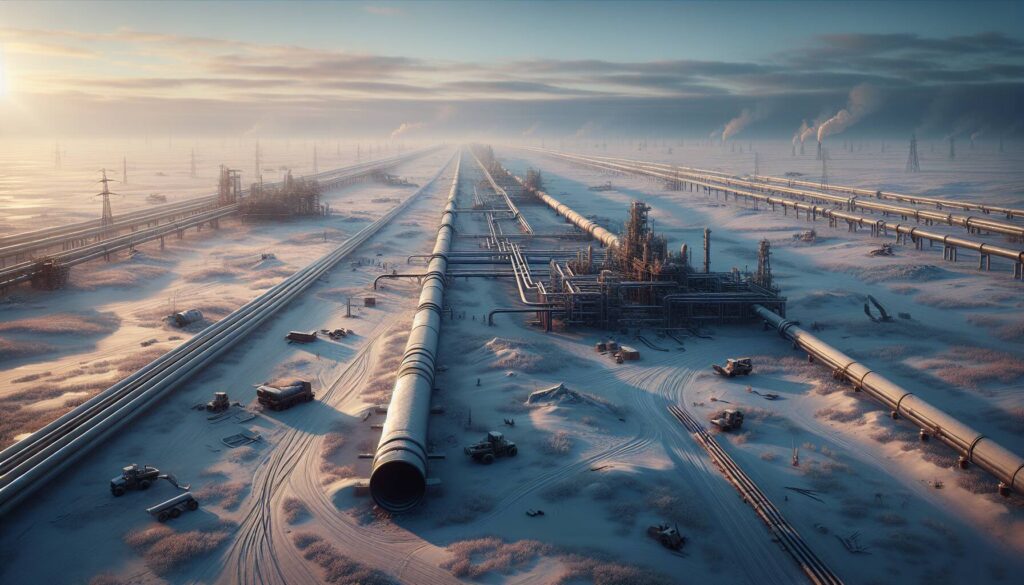
In the ongoing conflict between Russia and Ukraine, recent military actions have targeted critical energy infrastructure, raising serious concerns about the future of peace negotiations. This escalation comes at a time when diplomatic efforts are underway to establish a lasting ceasefire, highlighting the delicate balance between military strategy and the quest for dialogue.
According to reports, both nations have intensified strikes on key energy facilities, a move likely aimed at undermining their opponent’s capabilities while simultaneously affecting civilian life. The implications of these attacks are profound, as they could further strain the already fragile situation, complicating the prospects for peace discussions.
“The attacks on energy infrastructure signal not only military ambition but a troubling trend in the efforts to secure a diplomatic resolution,” an expert noted, emphasizing the need for a renewed commitment to negotiations.
As the violence continues to impact daily life and exacerbate humanitarian concerns, the international community watches closely, advocating for a peaceful resolution while recognizing the complexities of the ongoing crisis. The interplay of military actions and diplomatic initiatives will be crucial in determining the trajectory of this conflict and the potential for lasting peace in the region.
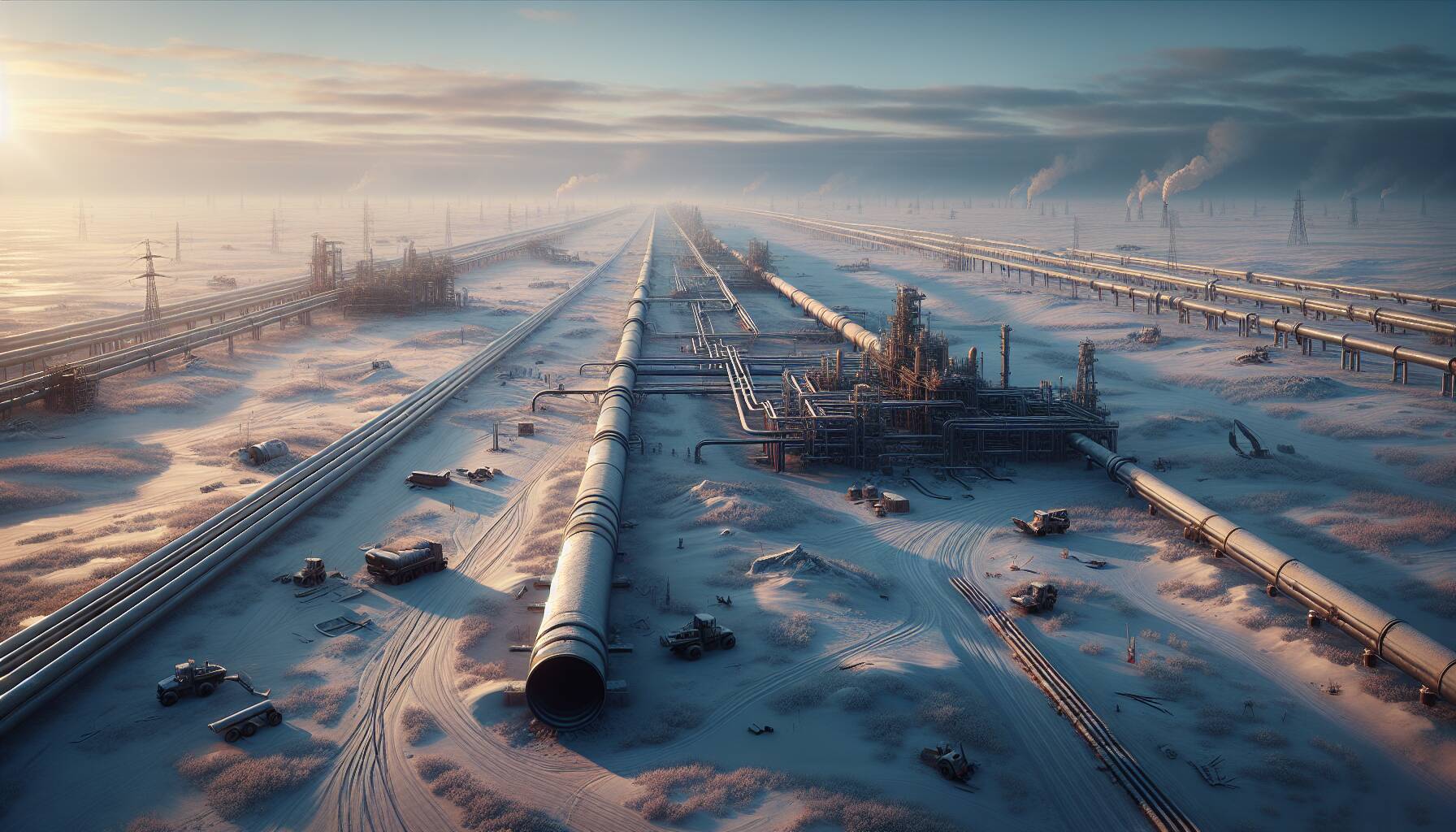
Impact of Russia-Ukraine Attacks on Energy Infrastructure
The recent attacks on energy infrastructure by Russia and Ukraine have significant implications for diplomatic relations and the future peace negotiations.
- Targeted Energy Infrastructure:
- Key energy facilities have been attacked, leading to disruptions in power supplies.
- This strategy aims to weaken the opposing country’s ability to sustain military efforts.
- Impact on Diplomatic Efforts:
- Ongoing diplomatic negotiations face challenges as military actions escalate.
- Trust issues between the nations may deepen, making peaceful resolutions more difficult.
- Global Energy Market Effects:
- Unrest in the region can lead to fluctuations in global energy prices.
- Countries relying on imported energy may face economic impacts due to rising costs.
- Humanitarian Consequences:
- Infrastructure damage could lead to power shortages for civilians, affecting daily life.
- Displacements and increased humanitarian needs may arise due to ongoing conflicts.
- Prospects for Peace:
- Continued violence complicates the path toward negotiations and reconciliation.
- Long-term stability in the region remains uncertain, impacting geopolitical dynamics.
Impact of Energy Infrastructure Attacks on Russia-Ukraine Peace Negotiations
The ongoing attacks on critical energy infrastructure by Russia and Ukraine have significant implications for the broader geopolitical landscape. While both nations aim to strengthen their positions in ongoing diplomatic negotiations, these military actions complicate the prospects for a peaceful resolution. In contrast to past incidents where targeted negotiations led to de-escalation, the recent flare-up highlights a strategic pivot towards militarization, which may embolden hardliners on both sides.
Competitive Advantages: Countries witnessing this conflict may look to capitalize on the instability. Energy-dependent nations, particularly those without direct ties to Russia, could strengthen their diplomatic relations while promoting alternative energy sources. This scenario creates opportunities for new energy partnerships and investments in renewable technologies, which are essential in a world increasingly conscious of energy security. The dynamics also allow nations like the U.S. to position themselves as key energy suppliers, leveraging their market influence and geopolitical importance.
Disadvantages: Conversely, ongoing attacks jeopardize the chances for peace, leading to prolonged instability in the region. Nations heavily reliant on Russian energy imports may find themselves in a precarious position, facing soaring costs and supply chain disruptions. The ripple effects of such conflicts can stymie economic growth and diplomatic relations, creating challenges not only for neighboring countries but also for global markets that react to fluctuations in energy supply.
Decision-makers and policymakers in energy-reliant nations must navigate these complexities, ensuring their energy security while remaining wary of the risks associated with unilateral support for either party. On the other hand, observers may note humanitarian concerns; as military engagements escalate, civilian populations will inevitably face greater hardships, which can lead to broader international calls for intervention and humanitarian assistance.