









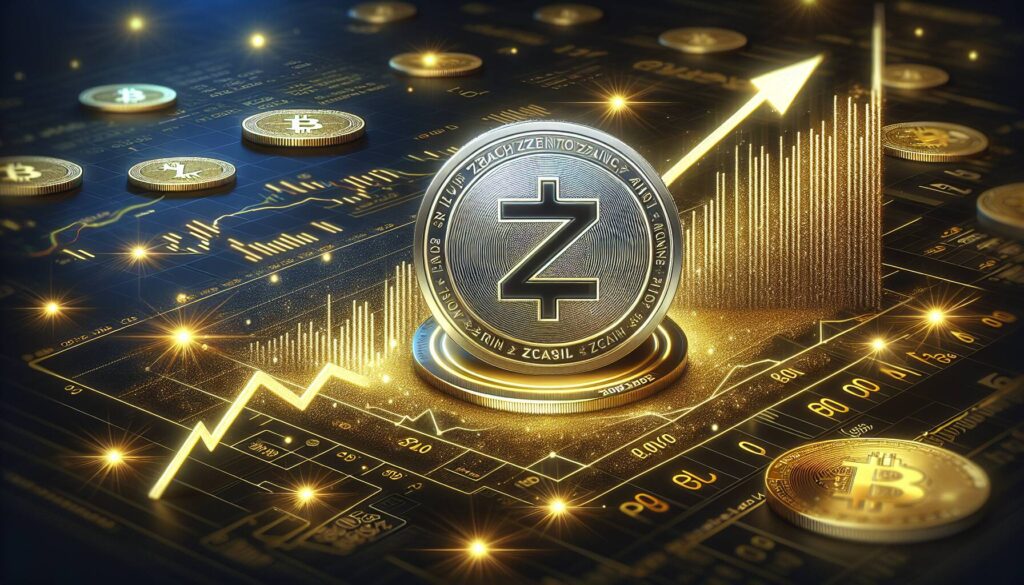
The cryptocurrency landscape is always shifting, and recent developments have captured the attention of both enthusiasts and investors. In a surprising move, the value of Zcash, a privacy-focused cryptocurrency, has taken a downturn following the announcement of a significant departure from its development team. Such leadership changes can often lead to uncertainty in the market, reflecting a broader trend where confidence can be shaken by personnel shifts.
In another notable area, the advent of Smart Cashtags promises to enhance the way we interact with cryptocurrencies and traditional stocks. This innovative feature aims to blur the lines between these two financial realms, offering users a seamless way to manage and track their investments. As the financial ecosystem evolves, tools like Smart Cashtags highlight the growing integration of digital assets into everyday finance.
Additionally, discussions around cryptocurrency defenses against quantum computing are gaining traction, particularly in relation to Bitcoin’s future. As quantum technology advances, potential vulnerabilities in blockchain security have raised alarms among industry leaders. Efforts to bolster Bitcoin against these emerging threats are imperative for ensuring its longevity and robustness in a rapidly advancing technological world.
As we delve deeper into these developments, it’s clear that the cryptocurrency industry continues to face both challenges and opportunities, shaping its trajectory in unprecedented ways.
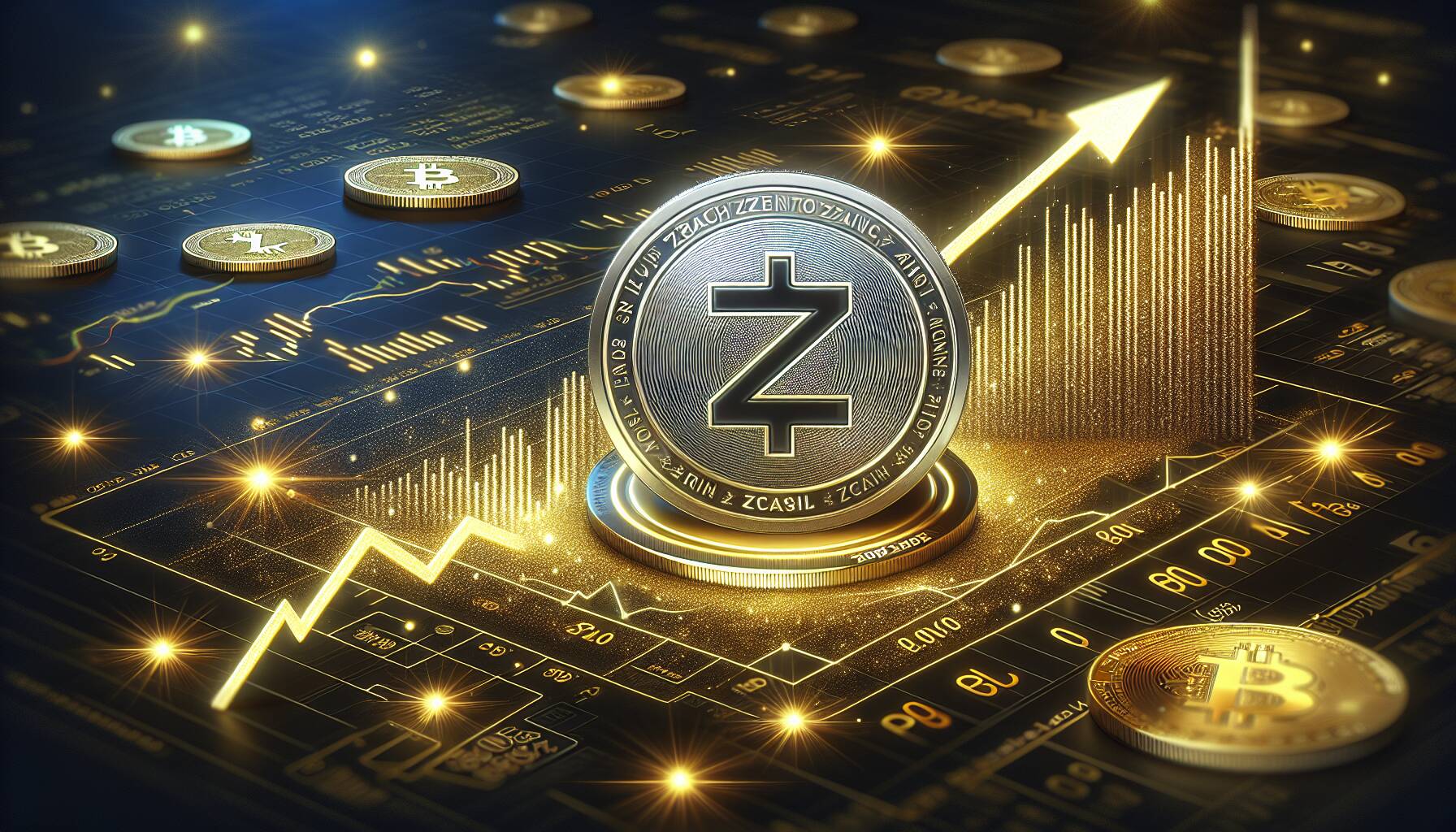
Zcash Token, Smart Cashtags, and Quantum Computing Defense
Key points regarding recent developments in cryptocurrency and their implications:
- Zcash Developer Quits:
This has led to a decline in the Zcash token’s value, indicating potential instability within the project.
- Impact of Developer Changes:
The departure of key personnel can affect investor confidence and project roadmap, potentially impacting future developments and market performance.
- Introduction of Smart Cashtags:
This feature may simplify transactions and enhance user interaction in the cryptocurrency ecosystem, influencing everyday financial activities.
- Quantum Computing Defense for BTC:
Efforts to protect Bitcoin from quantum computing threats signify the ongoing evolution and need for security in digital currencies.
Zcash Token Decline and the Mining Community’s Response
The recent news surrounding the Zcash token, which has seen a notable decline following the departure of a key developer, shines a light on the inherent volatility within the cryptocurrency market. This situation mirrors past occurrences in the industry where leadership changes have led to market instability. The competitive advantage for Zcash, however, lies in its robust technology and privacy-focused features, which continue to attract a dedicated user base even amidst tumultuous times.
On the downside, the exit of a pivotal figure can erode investor confidence and spark uncertainty among stakeholders. Similar instances in the crypto sphere have led to sharp declines in token value, compounding existing market anxieties. For instance, when Ethereum’s early leaders made key exits, the ripple effects were felt across multiple facets of their ecosystem. Such an event could deter potential investors, particularly those who prioritize stability and team reliability.
Additionally, the introduction of Smart Cashtags and advancements in BTC quantum computing defense presents intriguing developments within the crypto landscape. These innovations could potentially overshadow Zcash’s struggles by highlighting usability and security features that users increasingly demand. Smart Cashtags, aimed at simplifying transactions and enhancing user experience, stand to attract the tech-savvy demographic seeking streamlined solutions, posing a competitive threat to legacy tokens like Zcash.
This shift could create opportunities for new ventures focusing on next-gen transaction facilitation while challenging incumbents like Zcash, which may need to pivot strategy to remain relevant. While developers and investors could benefit from these technological renovations, they may complicate the path for tokens that fail to adapt swiftly to changing user expectations and preferences.