










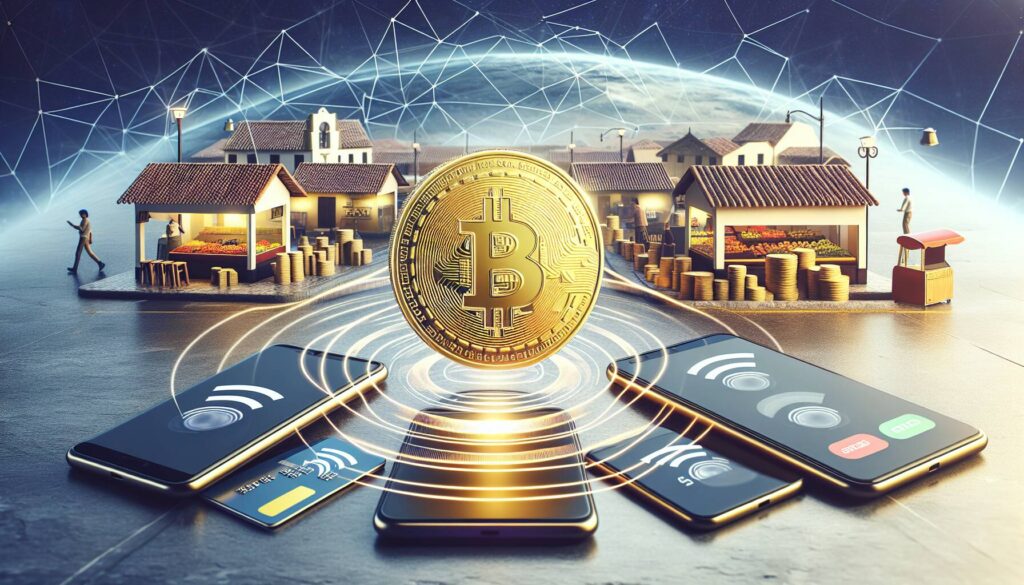
In a significant development for the cryptocurrency landscape in Peru, a new payment solution has emerged that enables users to transact easily using stablecoins and major cryptocurrencies. This innovative system automatically converts digital currencies into Peruvian soles right at the point of sale, making it more accessible for both consumers and merchants.
The rise of cryptocurrencies has prompted a growing demand for seamless integration into everyday transactions. With this new service, users will find it more convenient to utilize their digital assets without worrying about fluctuating exchange rates. By facilitating real-time conversions, it helps bridge the gap between the digital and traditional financial systems.
“This advancement not only encourages the adoption of cryptocurrencies but also enhances the consumer experience by allowing for instant conversions and simplified transactions,”
the spokesperson for the initiative noted.
As stablecoins have gained traction for their relative price stability compared to other cryptocurrencies, their inclusion in payment options marks an important shift in the crypto industry. With more users expressing interest in adopting digital currencies for everyday purchases, this new capability stands to attract a broad audience, elevating Peru’s position in the global crypto market.
The integration of such payment systems signifies a growing recognition of the importance of cryptocurrencies in modern finance, offering both flexibility and ease of use. As global trends continue to steer towards digital solutions, Peru is poised to benefit from this transformative approach, showcasing how cryptocurrencies can coexist with traditional currencies in a practical manner.
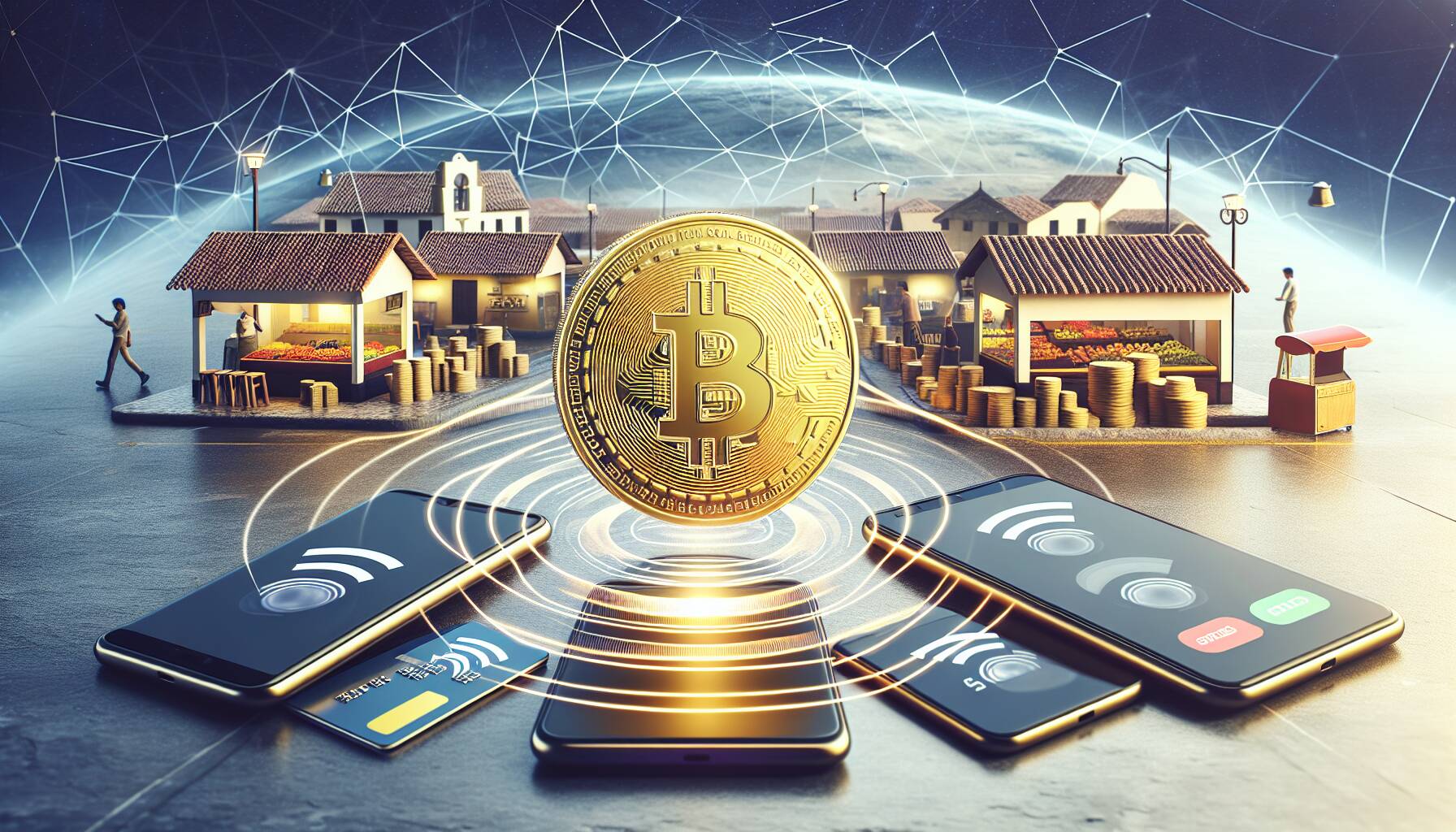
Using Stablecoins and Major Cryptocurrencies in Peru
Here are the key points regarding the use of stablecoins and major cryptocurrencies in Peru:
- Instant Conversion: Users can spend stablecoins and major cryptocurrencies that are automatically converted into Peruvian soles at the point of sale.
- Increased Accessibility: This system improves accessibility to digital currencies for everyday transactions.
- Financial Inclusion: It may help unbanked populations by providing alternative payment methods.
- Exchange Rate Stability: Stablecoins can mitigate risks associated with price volatility of other cryptocurrencies.
- Local Economy Impact: Facilitates easier integration of digital currencies into the local economy, potentially boosting commerce.
This innovation could transform how consumers and businesses interact with money, impacting spending habits and economic growth.
Revolutionizing Transactions: The Emergence of Stablecoin Conversion in Peru
The introduction of stablecoin and major cryptocurrency transactions directly converting to Peruvian soles at the point of sale marks a significant shift in the financial landscape. This innovation presents a competitive edge over traditional banking systems, allowing for instantaneous currency conversions that can enhance customer convenience and speed. Merchants can attract tech-savvy consumers who prefer digital currencies, positioning themselves as forward-thinking businesses in a rapidly evolving market.
However, challenges such as volatility in cryptocurrency values, regulatory hurdles, and the potential for cybersecurity threats must be considered. While the system aims to stabilize transaction values through stablecoins, the underlying market fluctuations can still present risks that may deter some users from adopting this new method. Small businesses in Peru might face difficulties in integrating these systems without substantial tech support, potentially limiting market access compared to larger enterprises adept at adopting and managing digital solutions.
This development could greatly benefit millennials and Gen Z consumers who are more inclined towards tech-driven payment solutions, offering them the seamless transaction experience they seek. Conversely, older generations or non-tech-savvy individuals may find this transition challenging, creating a divide in accessibility. Additionally, industries such as e-commerce and travel stand to gain from this innovation, enhancing consumer experiences and increasing sales. However, businesses reliant on cash transactions may find themselves struggling to adapt to these emerging trends, potentially impacting their customer base.