








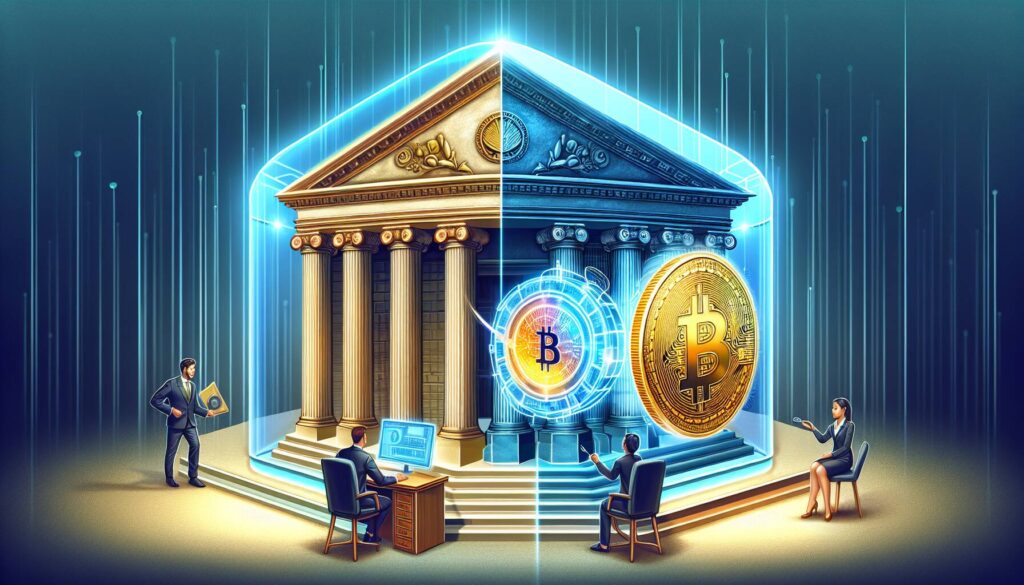
The world of cryptocurrency is evolving at a remarkable pace, and the boundaries between traditional banking and digital currencies are starting to blur. Notably, a prominent voice in the industry, Sacks, has made headlines with his assertion that the gap between these two financial spheres is on the verge of collapse. This perspective suggests a future where banks might embrace stablecoin issuance as a strategic entry point into the burgeoning crypto market.
“As banks explore new avenues to adapt to the rapidly changing financial landscape, stablecoins could serve as a bridge connecting them to the digital economy,”
Sacks’ insights reflect a growing trend among financial institutions seeking to remain relevant in an era where cryptocurrencies are gaining mainstream acceptance. By integrating stablecoins, which are pegged to traditional currencies and designed to minimize price volatility, banks have the potential to enhance their offerings and attract a new generation of customers interested in digital finance.
Recent studies indicate that the adoption of stablecoins is accelerating, with significant interest from both retail investors and institutional players. This shift not only highlights the increasing legitimacy of cryptocurrencies but also underscores a growing recognition within the banking sector of the need to innovate and adapt. As the lines continue to blur, it will be fascinating to observe how this dynamic unfolds and the opportunities it creates for both banks and crypto enthusiasts in the evolving financial landscape.
The Future of Banking and Crypto Integration
Key points regarding the merging of traditional banking and cryptocurrency sectors:
- Disappearance of Divide: The traditional boundaries between banking and crypto industries are expected to diminish.
- Stablecoin Issuance: Banks may consider issuing stablecoins as a strategic entry point into the crypto market.
- Enhanced Accessibility: The integration could lead to easier access to digital currencies for the average consumer.
- Regulatory Developments: Increased collaboration may prompt clearer regulations benefiting both sectors.
- Financial Innovation: The merging industries could accelerate financial innovation and new product offerings.
- Potential Risks: Consumers should be mindful of the risks associated with both traditional and digital assets.
The merging of these industries could fundamentally change how consumers interact with their finances.
Bridging the Gap: The Future of Banking and Crypto Integration
In a bold prediction, Sacks suggests a future where the traditional banking sector seamlessly merges with cryptocurrencies, particularly through the issuance of stablecoins. This perspective aligns with growing trends in the financial industry where banks are exploring ways to innovate and stay relevant in an increasingly digital world. However, while the potential for collaborative growth is promising, there are both competitive advantages and disadvantages to consider.
Advantages:
For banks, embracing stablecoin issuance can enhance their service offerings, enabling them to tap into a new customer base interested in digital assets. It provides an opportunity for these institutions to enhance transaction efficiencies, reduce costs, and meet the evolving demands of tech-savvy consumers. Moreover, the move could position banks as key players within the crypto ecosystem, potentially allowing them to leverage their established customer trust to fuel adoption.
Disadvantages:
On the flip side, this integration may lead to regulatory scrutiny and compliance challenges, as banks navigate the murky waters of cryptocurrency regulations. Additionally, traditional banking systems are often viewed as outdated and cumbersome by cryptocurrency advocates, which could hinder customer loyalty if banks cannot adapt swiftly enough. Moreover, this could create friction with established crypto firms that may see banks as competitors rather than partners in innovation.
This shift could greatly benefit tech-savvy consumers who thrive on innovation and speed in transactions, as well as investors looking for more stable investment options within the volatile crypto market. However, the move may pose challenges for traditional banking customers who are skeptical of digital currencies, potentially alienating a segment of the market that prefers more conventional financial approaches.