


In a recent statement that has captured global attention, former President Donald Trump has indicated that “great progress” is being made toward resolving the ongoing tensions surrounding Iran. However, he also issued a stark warning, suggesting that the United States would take significant military action, including the potential destruction of Iran’s power plants, oil wells, and the critical Kharg Island oil terminal, if a diplomatic resolution is not reached soon.
This declaration underscores the delicate balance of power in the Middle East, as negotiations surrounding Iran’s nuclear ambitions and regional influence continue to evolve. Trump’s remarks come amid heightened scrutiny of both U.S. foreign policy and Iran’s role in international affairs, prompting discussions about the broader implications for global energy markets and geopolitical stability.
“If we don’t reach a deal shortly, we will obliterate their infrastructure,” Trump stated, highlighting the seriousness of the situation.
The escalation of rhetoric raises questions about the potential impact on oil prices and global supply chains, as key players in the cryptocurrency and financial sectors closely monitor developments. The intersection of geopolitical events and their influence on cryptocurrency markets has become increasingly relevant, as investors seek to navigate the evolving landscape.
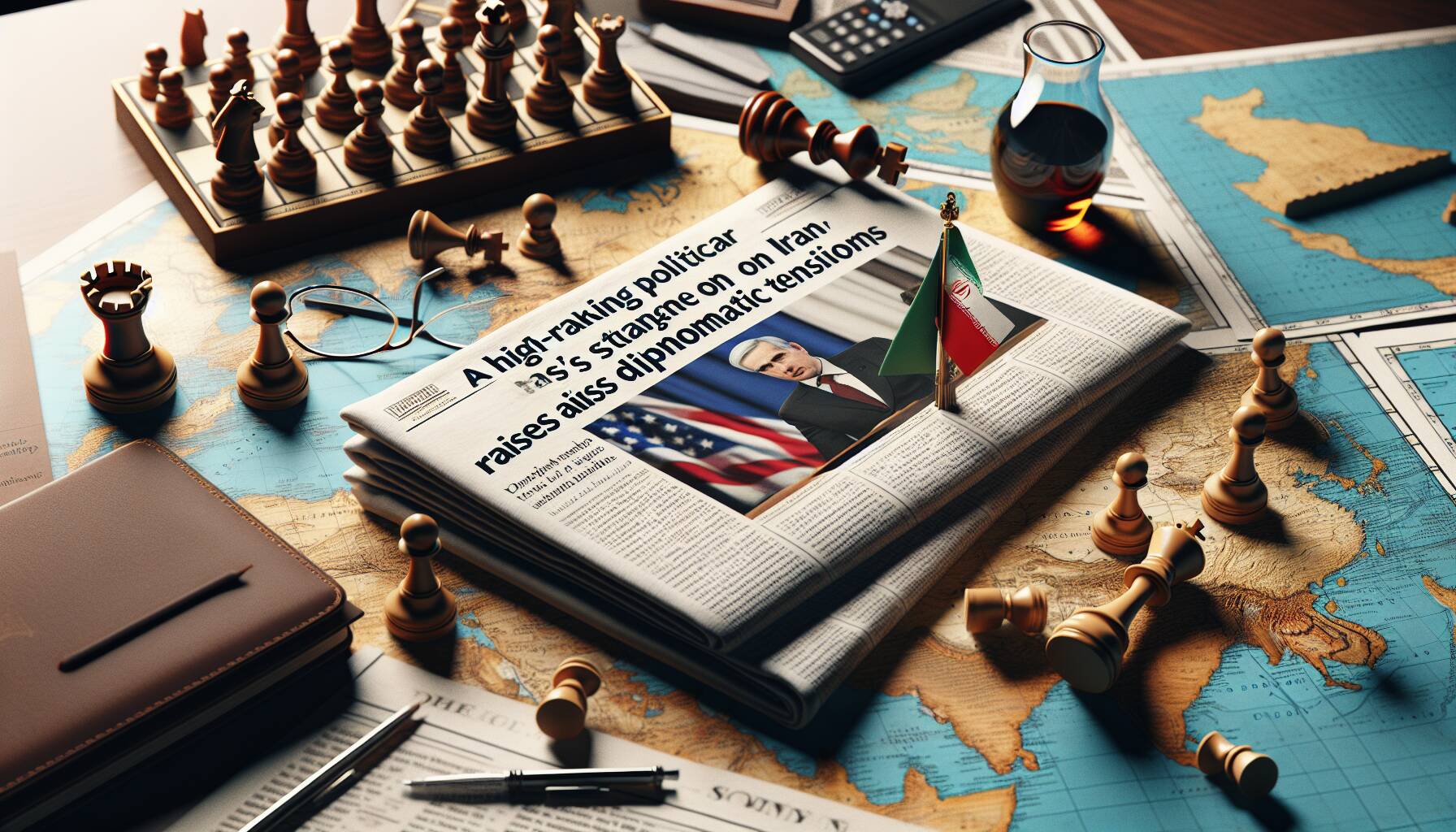
Trump’s Stance on the Iran Conflict
Key points regarding Trump’s statements on the Iran situation:
- Great Progress: Trump believes significant advancements have been made in ending the conflict.
- Warnings of Obliteration: He has threatened to “obliterate” key infrastructures in Iran if a peaceful resolution is not achieved soon.
- Impact on Global Relations: These statements may strain U.S.-Iran relations and affect diplomatic efforts worldwide.
- Economic Implications: Potential military actions could disrupt global oil markets and impact economies reliant on oil imports.
- Influence on National Security: Heightened tensions can lead to increased military presence and expenditures, affecting U.S. national security policies.
“Urgent talks needed to avoid catastrophic consequences.”
Trump’s Bold Statements on Iran: A Game Changer in Middle East Diplomacy
In recent developments, former President Trump has stated that significant steps have been taken towards resolving the ongoing conflict concerning Iran. His assertion of “great progress” could be seen as a strategic move to boost his image as a peace negotiator, particularly appealing to voters who prioritize security and foreign policy. However, his simultaneous threat to “obliterate” Iran’s critical infrastructure, such as power plants and oil wells, introduces a dual narrative that may confuse both supporters and adversaries.
Competitive Advantages: Trump’s rhetoric emphasizes a strong, decisive approach to diplomacy that might resonate well with those who believe in leveraging power to achieve peace. This approach caters to a segment of the electorate that values toughness in foreign policy, positioning him as a formidable candidate who is willing to take hard stances for what he claims is the greater good of American interests. Furthermore, his comments may appeal to energy sector stakeholders concerned about the stability of oil markets impacted by sanctions or conflict, as they highlight potential instability resulting from Iranian military efforts.
Disadvantages: On the flip side, the stark warning against Iran could provoke significant backlash, not only within the international community but also domestically, wherein moderate voters might find such threats excessive and destabilizing. This aggressive posturing may alienate potential allies that favor diplomatic resolution over military action, creating a rift in collaborative efforts needed to tackle regional issues. Additionally, those who prioritize humanitarian concerns may perceive Trump’s comments as aggressive, which could harm his appeal among progressive voters.
Potential Beneficiaries and Challenges: Trump’s remarks could benefit hardline factions within the U.S. who advocate for strong military responses, as well as voters who prioritize national security above diplomatic engagements. Conversely, his approach may lead to complications for the incoming administration, which might prioritize diplomacy and may feel pressured to escalate military readiness in anticipation of potential hostilities. This imbalance can create a turbulent landscape in U.S.-Iran relations, prompting challenges for both governments in navigating peace processes amidst rising tensions.


