

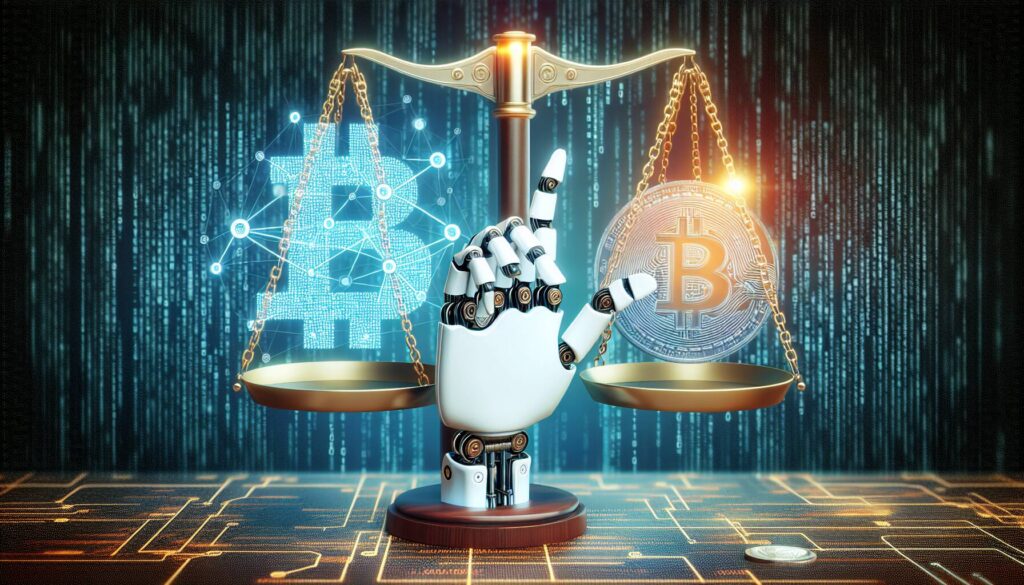
In the ever-evolving landscape of technology, the intersection of artificial intelligence and cryptocurrency is generating significant buzz. As AI continues to advance, a faction of crypto executives is optimistic that it will play a pivotal role in transforming blockchain infrastructure, paving the way for mainstream adoption. The potential synergy between these technologies raises intriguing possibilities for efficiency, security, and scaling in the digital currency realm.
However, not everyone is on board with this optimistic view. Skeptics within the industry are questioning whether the integration of AI into blockchain is as straightforward as some might believe. They argue that numerous challenges still lie ahead, ranging from technical hurdles to regulatory concerns that could impede the seamless blending of these innovative domains.
“The integration of artificial intelligence with blockchain offers revolutionary possibilities, but we must remain cautious and thoughtfully assess the hurdles that come with such advancements,” one industry leader remarked.
As discussions unfold, the cryptocurrency sector watches closely, weighing the potential of AI to be a game-changer against the backdrop of real-world application challenges. Whether AI will truly become the driving force for blockchain’s next chapter remains to be seen, but the conversation is certainly igniting interest and inspiring innovation.

AI and Its Impact on Blockchain Adoption
The intersection of artificial intelligence and blockchain technology presents significant opportunities and challenges.
- Potential Synergy
- AI can optimize blockchain operations, making processes more efficient.
- Blockchain’s transparency can enhance AI algorithms, increasing trust in AI outcomes.
- Executive Perspectives
- Some crypto executives believe AI will be the catalyst for mainstream blockchain adoption.
- Others argue that the path to integration may face significant obstacles.
- Impact on Everyday Life
- Widespread use of blockchain could enhance security and transparency in transactions.
- AI-driven solutions may improve personalized services in various sectors, including finance and healthcare.
- Challenges Ahead
- Regulatory hurdles could impede integration efforts between AI and blockchain.
- Concerns regarding data privacy may limit the adoption of AI-enhanced blockchain solutions.
AI Meets Blockchain: Navigating the Potential and Pitfalls
The intertwining of artificial intelligence (AI) and blockchain technology is prompting a significant dialogue among industry leaders. On one hand, several crypto executives posit that AI could be the catalyst needed for broader adoption of blockchain infrastructure. They argue that integrating AI enhances the efficiency and security of transactions, potentially revolutionizing how industries operate by making processes more streamlined and transparent. This optimistic perspective highlights that AI’s data analysis capabilities could optimize blockchain performance, making real-time decision-making more viable.
Competitively, this synergy between AI and blockchain presents notable advantages. The enhanced transaction speed and predictive analytics derived from AI can attract businesses seeking to innovate and reduce operational costs. Additionally, sectors like finance, supply chain management, and healthcare could undergo remarkable transformations, thereby creating vast opportunities for startups and tech firms to partner or develop new solutions.
However, challenges remain, as not all experts agree on the straightforwardness of this integration. Some skeptics highlight concerns regarding data privacy and the potential for increased centralization, which contradicts the decentralized ethos of blockchain. Furthermore, the complexity of seamlessly merging AI algorithms with existing blockchain systems presents technical hurdles that may deter less experienced firms from embarking on this journey.
In terms of beneficiaries, industries heavily reliant on data analytics, such as finance and insurance, stand to gain significantly. These sectors can leverage AI insights to improve risk assessment and fraud detection, thereby enhancing their operational robustness. Conversely, traditional blockchain enthusiasts who prioritize decentralization may find these advancements problematic, as the reliance on AI could inadvertently shift control away from the community and compromise the foundational principles of blockchain technology.


