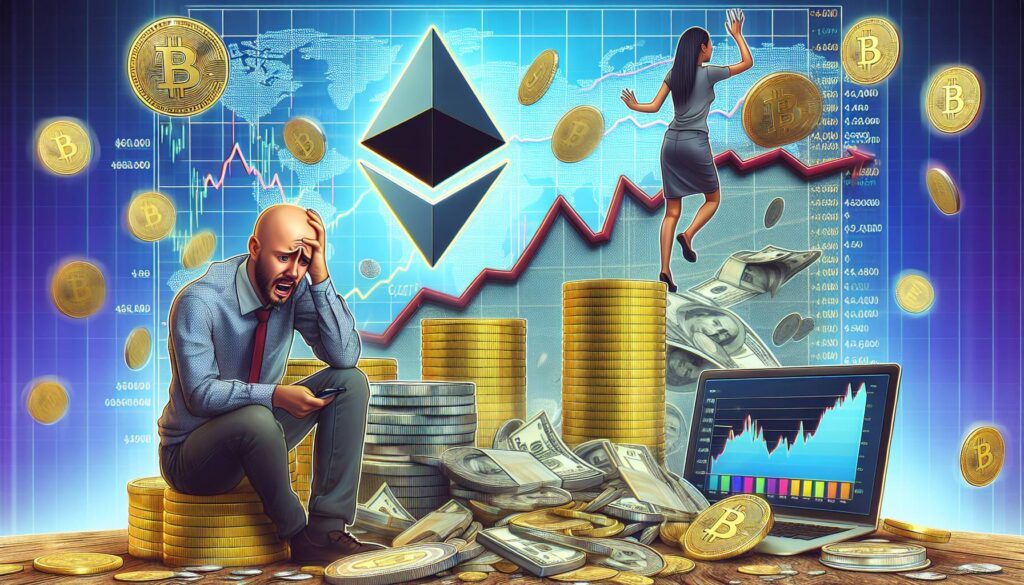










In the ever-evolving landscape of finance, the interplay between traditional assets and cryptocurrencies is garnering considerable attention. As metals and other hard assets reach new heights, largely spurred by a weakening U.S. dollar, the cryptocurrency market appears surprisingly inert in comparison. This divergence raises intriguing questions about investor sentiment and market dynamics.
With gold and silver hitting unprecedented levels, driven by inflation concerns and geopolitical tensions, traditional investors are flocking to the safety of tangible assets. Conversely, cryptocurrencies, which often serve as alternatives to conventional money, have not mirrored this upward trend. Despite the challenges facing the dollar, digital currencies seem to be holding their ground, leaving many analysts to ponder the reasons behind this unusual market behavior.
“While hard assets like gold and silver see renewed investor confidence, the cryptocurrency sector remains cautious, prompting discussions about its future trajectory in a fluctuating economic environment.”
As the financial world watches closely, the spotlight is on how these two asset classes will interact moving forward. Will cryptocurrencies eventually respond to the pressures affecting traditional markets, or will they carve out a distinct path of their own? Time will tell, but for now, the financial arena remains as dynamic as ever.

Metals and Hard Assets Surge Amidst Dollar Stumble
The recent market trends in metals and other hard assets, juxtaposed with the performance of cryptocurrency, highlight significant economic shifts. Below are the key points to consider:
- Record Highs in Metals: Precious metals such as gold and silver have reached new record prices.
- Weakening USD: The decline of the US dollar is impacting global market stability.
- Stability of Hard Assets: Metals are perceived as a safer investment during economic uncertainty.
- Crisis in Cryptocurrency: Cryptocurrency prices have not mirrored the surge in metals, raising questions about investor confidence.
The growing preference for hard assets could lead to a reevaluation of investment strategies among individuals looking to safeguard their wealth during turbulent times.
- Potential Inflation Hedge: Investors may turn to metals as a hedge against inflation, which can affect personal finances.
- Diverse Portfolio Considerations: The rise of hard assets encourages diversification, impacting investment decisions.
- Changing Economic Landscape: As markets fluctuate, individuals might experience changes in purchasing power and savings strategies.
Analyzing the Surge of Metals Against a Weakening Dollar: A Comparative Overview
The ongoing rise of metals and various hard assets amid a declining dollar offers a fascinating insight into the current economic climate. This trend presents unique competitive advantages for investors looking to hedge against inflation and currency devaluation. As the dollar stumbles, commodities such as gold and silver attract heightened interest due to their perceived stability and value retention, driving prices to new heights.
Advantages: Investors seeking security may find metals particularly appealing as safe-haven assets. This environment could usher in a broader market shift where traditional assets reclaim their allure over volatile options like cryptocurrency. Furthermore, hodlers of physical assets often experience less turbulence compared to those engaging in cryptocurrency trading, where rapid fluctuations can be a double-edged sword.
Disadvantages: However, this robust demand for metals and hard assets might come at a cost for the cryptocurrency market, which has so far shown a lack of responsiveness to these trends. If the dollar continues to weaken, potential investors may choose to pivot away from cryptocurrencies in favor of more tangible assets, leading to a downturn in crypto value. Additionally, the limited scalability of physical assets could hamper liquidity compared to digital currencies, where transactions can be executed instantly.
Who Benefits: Investors who are risk-averse and prefer stability are likely to benefit significantly from this trend, as they can diversify their portfolios with metals and hard assets. Additionally, industrial sectors reliant on these materials may see improved performance tied to the rising prices of metals, impacting supply chains and manufacturing costs.
Potential Issues: Conversely, the lack of response from cryptocurrencies may create challenges for traders and enthusiasts within that space, particularly for those who advocate for decentralized finance as a mainstream investment. If this trend emphasizes physical assets, it may deter innovation within the cryptocurrency sector, affecting startups and projects reliant on investment and market interest.