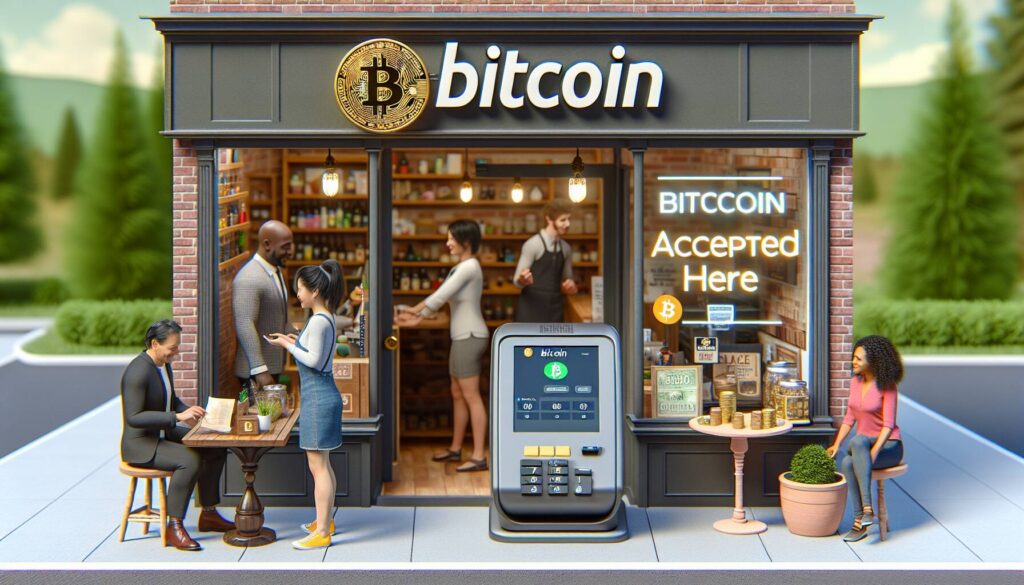
The cryptocurrency landscape continues to evolve, with recent developments targeting small businesses in an innovative way. A new initiative now automatically converts Bitcoin (BTC) into U.S. dollars, facilitating a seamless integration of cryptocurrency into daily transactions. This significant enhancement aims to simplify the adoption of Bitcoin for merchants, enabling them to accept BTC payments without the common hurdles associated with cryptocurrency volatility.
This strategic move seeks to bridge the gap between digital currency and traditional commerce, making it easier for small businesses to leverage the benefits of Bitcoin while minimizing risks.
Research shows that a considerable number of small businesses are hesitant to accept cryptocurrency due to concerns over fluctuating values and the complexities of handling digital assets. By converting Bitcoin into dollars by default, this rollout not only encourages wider acceptance of digital currencies but also supports the growing trend of integrating cryptocurrency with everyday banking and financial operations.
The automatic conversion feature represents a significant step towards normalizing Bitcoin as a standard payment method, potentially influencing how consumers and businesses interact in the rapidly changing financial landscape.
As this initiative gains traction, it may pave the way for broader acceptance of cryptocurrencies in everyday commerce, allowing small businesses to embrace the future of payments confidently.

Bitcoin Conversion for Small Businesses
This new implementation brings significant changes for small businesses that engage with Bitcoin.
- Default Conversion to Dollars
- Automatically converts Bitcoin (BTC) to USD for transactions.
- Reduces the complexity of handling cryptocurrency for small businesses.
- Embedding Bitcoin in Commerce
- Makes it easier for consumers to use Bitcoin in everyday purchases.
- Encourages businesses to accept Bitcoin without the risk of value fluctuation.
- Impact on Consumer Behavior
- Increases acceptance of Bitcoin as a viable payment option.
- May lead to increased spending as consumers feel comfortable using BTC.
- Potential for Business Growth
- Businesses may attract a new customer base interested in crypto transactions.
- Could enhance operational efficiency by streamlining payment processes.
This rollout marks a significant step towards integrating cryptocurrency into the mainstream economy, impacting both business practices and consumer spending habits.
Revolutionizing Commerce: The New Bitcoin-to-Dollar Rollout for Small Businesses
The latest initiative to convert Bitcoin (BTC) to dollars by default for small businesses represents a significant shift in the crypto landscape, aiming to ease the integration of digital currencies into everyday transactions. This innovative approach offers some notable advantages over existing alternatives. By eliminating the need for businesses to manage crypto volatility or actively convert digital assets, it allows for smoother financial operations. Not only does this enable small businesses to accept payments in BTC without the associated hassle, but it also encourages broader adoption of cryptocurrency as a viable payment option.
However, there are downsides to consider. This default conversion could lead to potential liquidity issues for businesses keen on retaining Bitcoin as part of their asset mix. Companies with a long-term bullish outlook on cryptocurrency may find themselves at a disadvantage, as they would potentially miss out on significant gains by converting their BTC holdings to dollars. The lack of control over asset management could deter certain entrepreneurs who prefer to capitalize on Bitcoin’s market fluctuations.
The rollout could especially benefit small businesses that operate in a fast-paced environment where immediate payment processing is vital. These companies can leverage the efficiency of automatic conversions, allowing them to focus more on growth rather than the complexities of managing a cryptocurrency portfolio. On the flip side, businesses that thrive on the speculative nature of crypto or those in markets with a strong crypto presence might face challenges, as they could feel restricted in their financial strategies.
As this new service gains traction, it may create a more frictionless experience for customers, further embedding Bitcoin into everyday commerce. However, it could also foster reluctance among businesses that view holding onto Bitcoin as a potentially lucrative long-term investment, leading to a split in market approaches moving forward.