










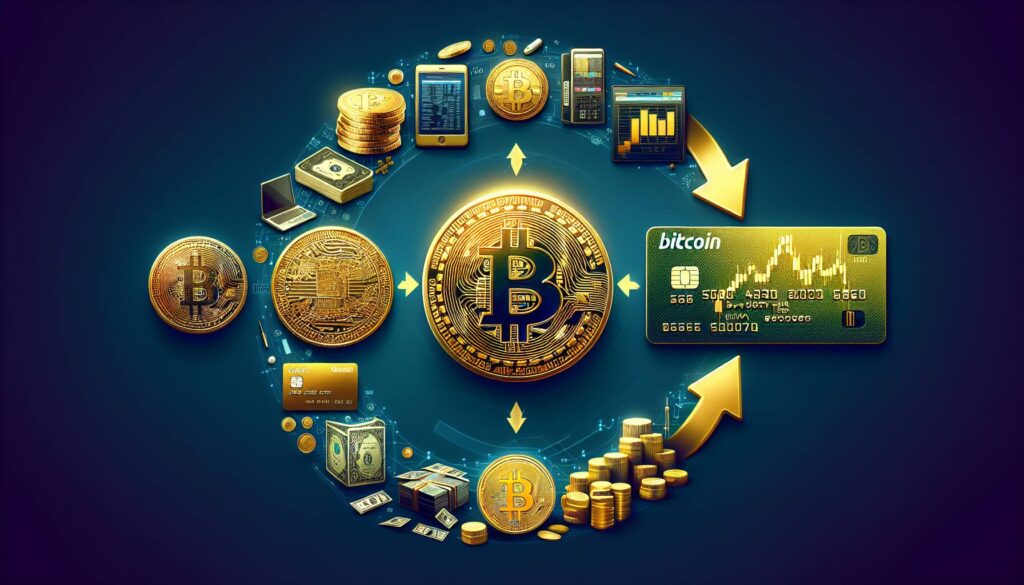
In a striking shift within the financial landscape, a prominent asset manager has unveiled a compelling outlook on Bitcoin, envisioning its role as a vital settlement tool and a reserve asset over the next quarter-century. This forecast not only highlights the increasing acceptance of digital currencies in mainstream finance but also suggests a transformative future for how transactions are conducted globally.
The asset manager’s base case paints a picture of Bitcoin’s growing utility, drawing on the cryptocurrency’s intrinsic qualities such as decentralization and security, which have been compelling factors for institutional adoption. As businesses and governments alike begin to recognize the advantages of blockchain technology, Bitcoin’s potential as a reliable method for settling international payments is gaining traction.
Furthermore, analysts have noticed a rising interest in cryptocurrency as a store of value, often likening Bitcoin to digital gold. This sentiment is echoed by various studies indicating that more investors are allocating a portion of their portfolios to Bitcoin, bolstered by its finite supply and a growing network effect.
“As Bitcoin gains popularity, its ability to serve as a reserve asset is increasingly being recognized by the financial sector,” remarked an industry expert.
The robust projections from the asset management firm spotlight not only investor sentiment but also a possible paradigm shift in monetary policy and asset management strategies. With Bitcoin’s price movements creating waves in financial news, its adaptability and durability are being put to the test as it evolves into a mainstream financial instrument.
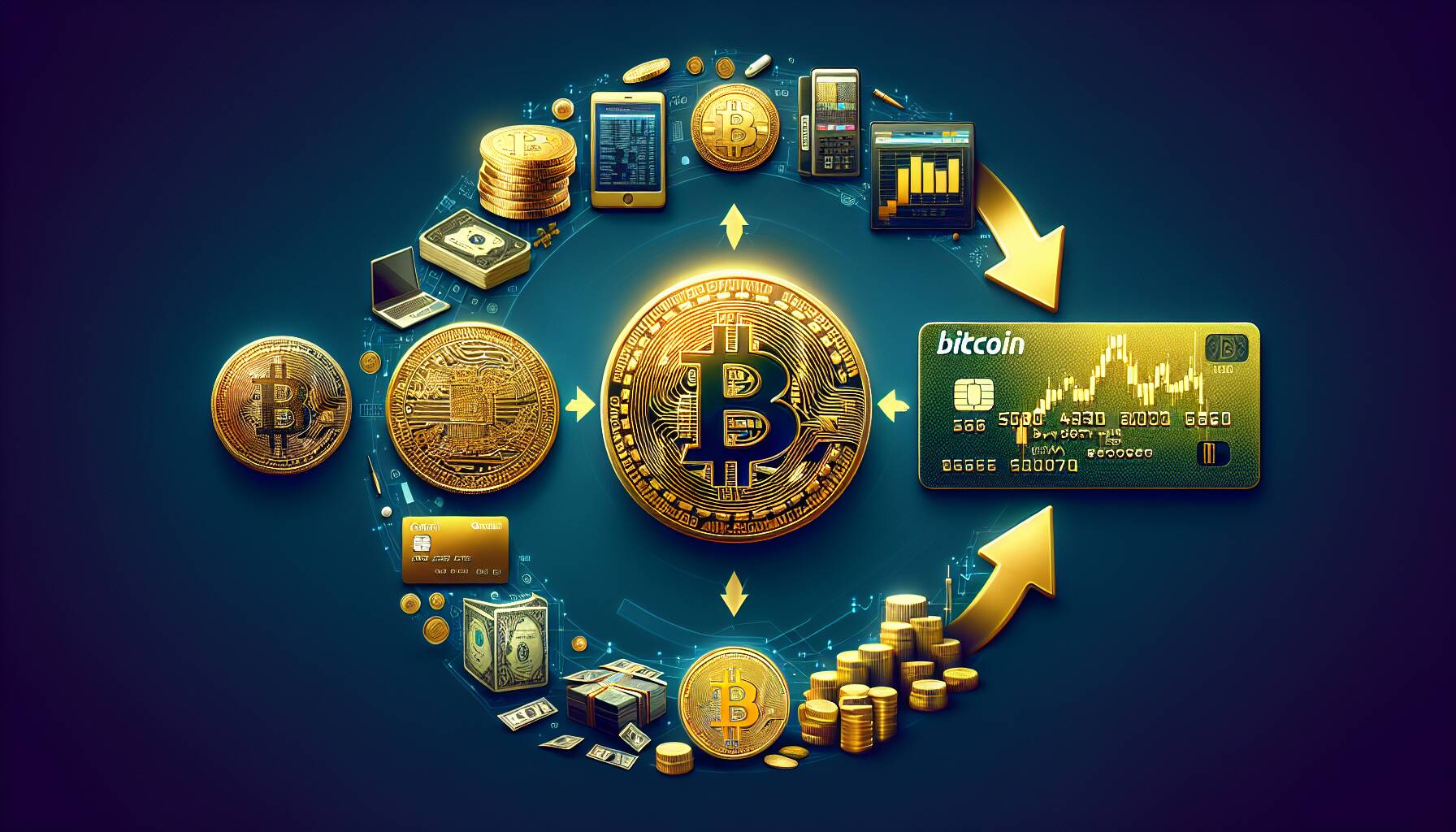
Bitcoin’s Future as a Settlement Tool and Reserve Asset
The potential of Bitcoin to evolve as a significant financial instrument is critical to understand. Here are the key points associated with this perspective:
- Increased Adoption
- Bitcoin may be more widely accepted for transactions.
- Could lead to greater price stability over time.
- Regulatory Developments
- Potential regulatory frameworks may enhance legitimacy.
- Regulations could also shape the environment for institutional investment.
- Technological Advancements
- Improvements in blockchain technology could increase transaction efficiency.
- Enhancements in security measures might reduce risks related to asset theft.
- Market Dynamics
- As a reserve asset, Bitcoin’s value may influence economic stability.
- Market fluctuations can impact investment strategies and personal finances.
- Impact on Traditional Banking
- Could redefine the role of traditional banks in financial transactions.
- May lead to a shift towards decentralized financing options.
Bitcoin’s Future as a Settlement Tool: Competitive Analysis
In an evolving financial landscape, the latest analysis from leading asset managers highlights the prospect of bitcoin solidifying its role as a viable settlement tool and reserve asset over the next quarter-century. This projection underscores a potential shift in how cryptocurrencies could bridge traditional finance and digital transactions.
Compared to traditional assets like gold and fiat currencies, bitcoin offers distinct advantages such as decentralization and ease of international transactions. Its digital nature allows for rapid movement and reduced transaction costs, appealing to investors looking to diversify their portfolios. However, the volatility associated with bitcoin remains a considerable drawback, deterring risk-averse individuals and institutions from fully embracing it as a stable asset.
The emergence of bitcoin as a key player could significantly benefit innovative financial institutions and forward-thinking investors who are eager to embrace change. These groups could leverage bitcoin’s potential for higher returns and its unique advantages in real-time transactions. Conversely, this shift may pose challenges for traditional banks and conservative investors who depend on legacy systems and may struggle to adapt to a landscape favoring blockchain technology and crypto assets.
As the asset manager forecasts the long-term integration of bitcoin, the implications ripple through the financial ecosystem. While it opens doors for those willing to embrace digital innovation, it could also create unease among entities clinging to traditional financial norms, potentially reshaping the competitive landscape in profound ways.