










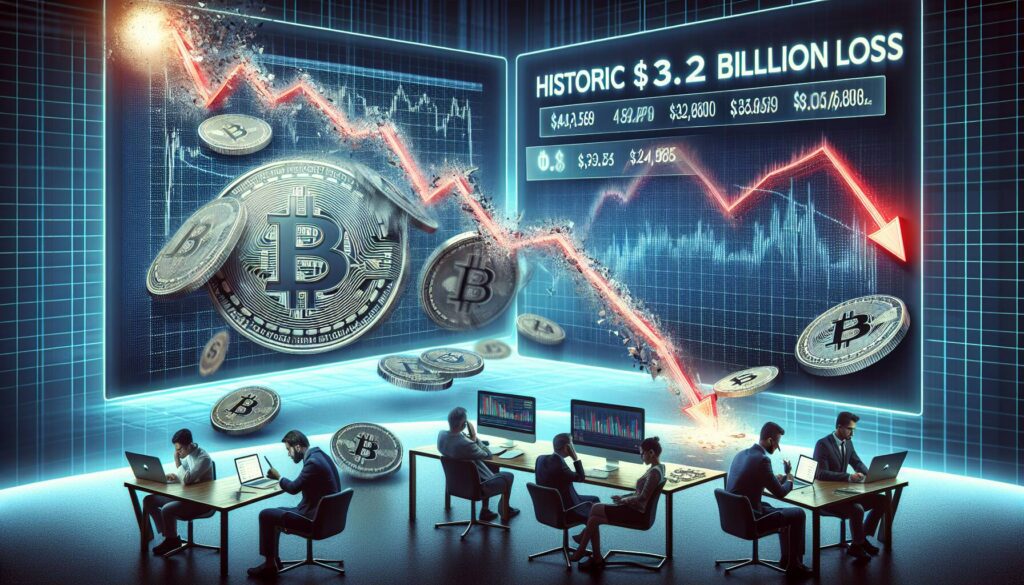
The cryptocurrency market faced a seismic shift on February 5, marking a dramatic turn of events for Bitcoin enthusiasts and investors alike. This day registered the largest-ever realized loss in Bitcoin’s history, totaling a staggering $3.2 billion. Such a development sent ripples across the digital finance landscape, highlighting the volatility that often characterizes cryptocurrencies.
As the market reacted to various factors, including regulatory changes and macroeconomic pressures, the ramifications were felt globally. This unprecedented loss serves as a stark reminder of the inherent risks associated with cryptocurrency investments. Investors who had once been buoyed by Bitcoin’s meteoric rise found themselves grappling with the reality of sudden market downturns.
“The magnitude of this loss underscores a shifting sentiment within the community, as confidence sways in the face of unpredictable market conditions,”
industry analysts noted. As the dust settles, the incident has spurred discussions surrounding the sustainability of cryptocurrency investments and the importance of risk management for those participating in this dynamic sector.
The Largest Bitcoin Loss in History
The event of February 5 marks a significant moment in the cryptocurrency market, with implications for investors and the industry as a whole.
- Largest Loss Recorded: The loss of $3.2 billion stands as the most substantial financial setback in bitcoin history.
- Market Volatility: Such an event highlights the extreme volatility inherent in cryptocurrency markets.
- Impact on Investor Confidence: Significant losses can lead to reduced trust among investors, potentially affecting future investments.
- Long-term Effects: The repercussions may extend over time, influencing regulatory scrutiny and policy changes.
- Broader Economic Implications: Major losses in cryptocurrency can cascade into the broader financial markets, affecting stocks and other investments.
The February 5 shock underscores the risks associated with investing in cryptocurrencies and the necessity for informed decision-making.
The $3.2 Billion Bitcoin Plunge: Analyzing Market Impact
The recent seismic event on February 5, which resulted in a staggering $3.2 billion loss in the bitcoin market, marks a significant shift in the cryptocurrency landscape. This momentous loss not only set a record for the largest single-day decline but also intensified the ongoing dialogue about the stability and future of digital currencies.
Comparatively, similar downturns in cryptocurrency have often been attributed to regulatory crackdowns or significant hacks, creating ripples that affect investor sentiment. However, the sheer scale of this loss highlights deeper vulnerabilities, potentially fostering fear and skepticism among both retail and institutional investors. Bitcoin, once hailed as a decentralized safe haven, faces a credibility crisis as its volatility becomes more pronounced.
For seasoned investors, this development could create opportunities to buy into Bitcoin at lower prices, nurturing a sense of optimism—or a riskier gamble, depending on one’s perspective. Conversely, new investors or those with limited experience in cryptocurrency markets may find themselves significantly disadvantaged. The dramatic fluctuations can foster anxiety and uncertainty, leading to impulsive decisions that could result in further financial loss.
The implications of this loss extend beyond individual investors. Financial institutions and firms heavily invested in Bitcoin may face critical evaluations of their risk exposure, ultimately prompting reassessments of investment strategies. This scenario could create challenges for institutions striving to build a reputation in the volatile cryptocurrency sector. On the flip side, it may motivate enhancements in security and risk management protocols, fortifying their market positions in the long run.
As the market digests this extraordinary loss, the ripple effects are likely to shape the future of Bitcoin trading, potentially influencing regulatory scrutiny and the evolution of investor behavior. Whether this event serves as a catalyst for better market practices or a cautionary tale remains to be seen.