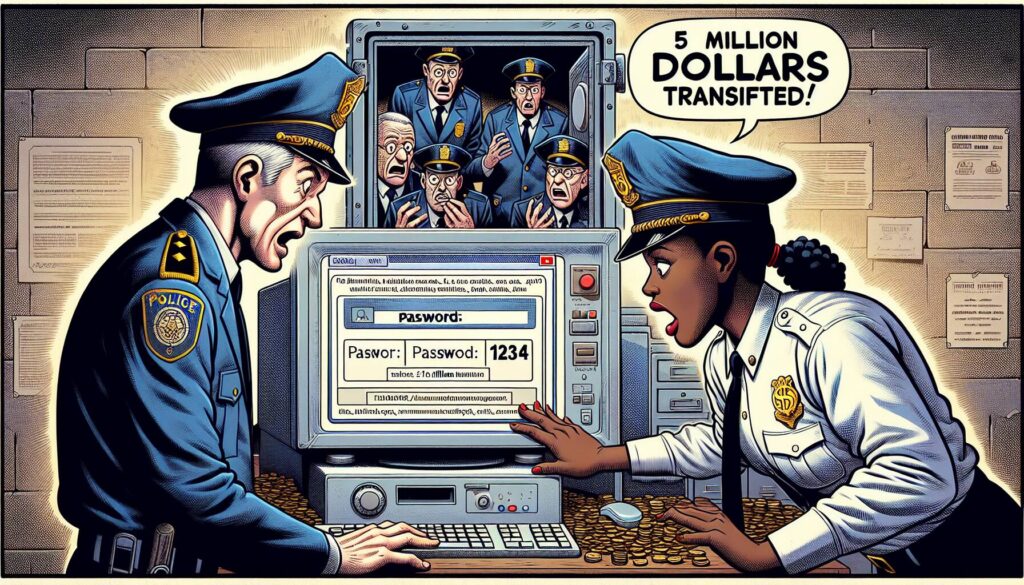
In a surprising turn of events, law enforcement officials recently faced backlash after inadvertently sharing the password to a seized cryptocurrency wallet. This blunder quickly turned into a $5 million heist, as opportunistic hackers seized the chance to drain the wallet. The incident has drawn significant attention, highlighting the vulnerabilities in managing digital assets and the critical need for heightened security measures in law enforcement protocols.
As the story unfolds, questions arise about the procedures followed by the authorities and the implications of such a critical mistake in the realm of cryptocurrency and law enforcement.
With the rapid rise of digital currencies, this incident serves as a stark reminder of the fine line between innovation and security, emphasizing the importance of safeguarding cryptocurrency in an ever-evolving digital landscape.

Clueless Cops Post Seized Crypto Wallet Password
Key Points:
- Incident Overview:
- Law enforcement accidentally shared the password to a seized cryptocurrency wallet.
- The wallet contained approximately $5 million in cryptocurrency.
- Immediate Consequences:
- The posted password led to the rapid theft of funds from the wallet.
- This incident highlights potential vulnerabilities in law enforcement handling of digital assets.
- Implications for Readers:
- Awareness of the risks associated with cryptocurrency custody and security.
- Understanding the importance of maintaining privacy and security protocols in cryptocurrency transactions.
- Broader Impact:
- This event may influence how individuals and businesses approach cryptocurrency security.
- It raises questions about the expertise and preparedness of law enforcement in the digital age.
Security Breach: The Risks of Mishandled Crypto Evidence
The recent incident involving law enforcement inadvertently posting a seized crypto wallet password, leading to a swift $5 million theft, highlights significant lapses in security protocols. This event serves as a critical reminder of the vulnerabilities inherent within crypto asset management, particularly when it involves public or semi-public channels.
In comparison to similar cases in the news, such as previous instances where police departments mishandled evidence or digital assets, this incident underscores the growing pains of institutions grappling with the evolving world of cryptocurrencies. Many law enforcement agencies may lack the specialized training needed to handle digital currencies, resulting in a greater chance for oversight and error. The lapse in posting the wallet password publicly might have seemed like a minor mistake, but it reveals a glaring disadvantage in terms of secure asset handling and public trust.
On one hand, this debacle showcases a significant competitive disadvantage for law enforcement agencies tasked with managing crypto-related seizures. It raises questions about their capacity to safeguard such assets, potentially undermining their credibility. Conversely, it could create opportunities for firms specializing in crypto security and asset management solutions to step in and offer their expertise to bewildered law enforcement bodies.
The fallout from this case could heavily impact various stakeholders. Investors and crypto enthusiasts are likely to feel a mix of anger and concern, which could deter them from interacting with traditional law enforcement. Additionally, those within the legal and regulatory frameworks may find their efforts stymied, as this incident can be cited as a precedent for mishandling and mismanagement within the realm of digital currencies.
Ultimately, both law enforcement and the broader crypto community need to reassess their protocols in safeguarding digital assets. This incident serves as a critical wake-up call for improved training, communication, and security measures within the crypto landscape.