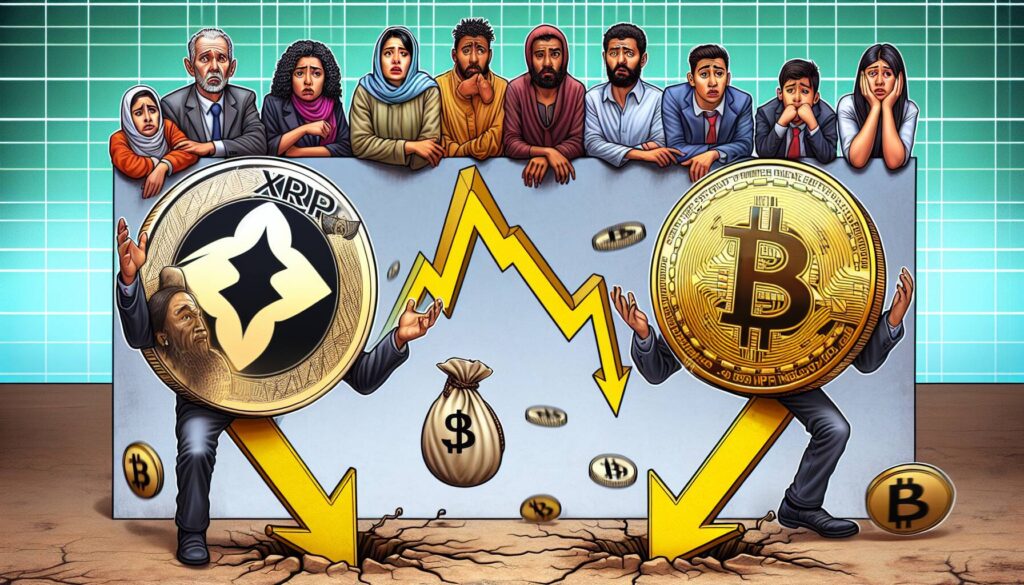











The cryptocurrency landscape is experiencing a turbulent phase as optimism surrounding digital asset treasuries, altcoin ETFs, and bitcoin’s historical year-end price trends has not led to the expected surge in values. Instead, the industry faces its most significant decline since the harsh crypto winter of 2022, leaving many investors and analysts questioning the resilience of market fundamentals.
In recent months, expectations were high that the introduction of innovative digital asset products, such as exchange-traded funds (ETFs) focused on altcoins, would invigorate the markets. These emerging financial instruments were anticipated to attract institutional investment and boost overall market liquidity. Additionally, the notable trend of bitcoin often rallying towards the end of the year was thought to be a beacon of hope amidst a challenging market backdrop.
However, contrary to these anticipations, the cryptocurrency market is grappling with substantial sell-offs, raising concerns about the sustainability of its recovery. Analysts are observing investor sentiment closely, as the specter of another downturn looms large.
This unexpected downturn not only disrupts short-term forecasts but also highlights the inherent volatility and unpredictability of the crypto market. As stakeholders navigate this landscape, the focus shifts to how emerging developments will reshape the dynamics in 2024 and beyond.

Impact of Digital Assets on Market Trends
The current landscape of digital assets has seen various significant phenomena that impact investors and their strategies.
- Digital Asset Treasuries: Many companies are now holding digital assets as part of their treasury management, impacting their financial stability and market perception.
- Altcoin ETFs: The introduction of exchange-traded funds for altcoins could provide greater accessibility and liquidity, influencing investment trends.
- Bitcoin’s Year-End Seasonality: Traditionally, Bitcoin experiences price surges towards the end of the year, which affects trading strategies and market behavior.
- Worst Drawdown Since Crypto Winter: The recent decline signifies market volatility, impacting investor confidence and long-term strategies.
This situation emphasizes the unpredictable nature of digital assets, requiring investors to adapt their approaches.
- Understanding market trends can lead to better investment decisions.
- Awareness of seasonal influences helps in planning entry and exit points.
- Recognizing market downturns enables risk management strategies.
The Unexpected Downturn in Digital Assets: A Comparative Analysis
In the realm of digital assets, the anticipated surge from altcoin ETFs and the historical bullish trends of Bitcoin’s year-end seasonality has instead led to significant downturns, marking one of the most challenging periods since the aftermath of 2022’s crypto winter. While many investors had high hopes for a market rebound, the stark reality has revealed vulnerabilities within the ecosystem.
Competitive Advantages: Unlike traditional equities, digital asset treasuries and altcoin ETFs offer unique opportunities for diversification within portfolios. They attract investors looking for alternative growth avenues. The concept of digital asset treasuries empowers companies to manage their financial reserves in cryptocurrencies, potentially yielding higher returns in a bullish market cycle.
Moreover, the allure of altcoin ETFs is substantial; they provide easier access for mainstream investors who are cautious about navigating the crypto landscape independently. This democratization of access to digital assets can drive broader market adoption and could position ETFs as a safer entry point into crypto investments compared to direct purchases.
Competitive Disadvantages: However, the crux of the current situation lies in volatility and the market’s susceptibility to external factors—contrasting sharply with historical performance expectations. The recent downturn has left many investors feeling disillusioned, raising concerns about the stability of these financial instruments. The year-end seasonality myth, once a solid belief among traders, now shows cracks as market dynamics evolve in unpredictable ways.
This turmoil might create barriers for institutional investors, who may hesitate to engage fully in digital asset markets after witnessing significant losses. Small investors could experience heightened anxiety, causing them to exit the market at inopportune times, potentially exacerbating the downturn. Conversely, savvy investors who thrive on volatility might find buying opportunities amidst the chaos, positioning themselves for future recovery when the market stabilizes.
In summary, while the promise of digital assets remains, the recent downturn underscores the complexities and risks inherent in this rapidly evolving sector. Everyone from institutional players to retail investors must navigate these waters carefully, weighing potential benefits against the unique challenges of the crypto marketplace.