








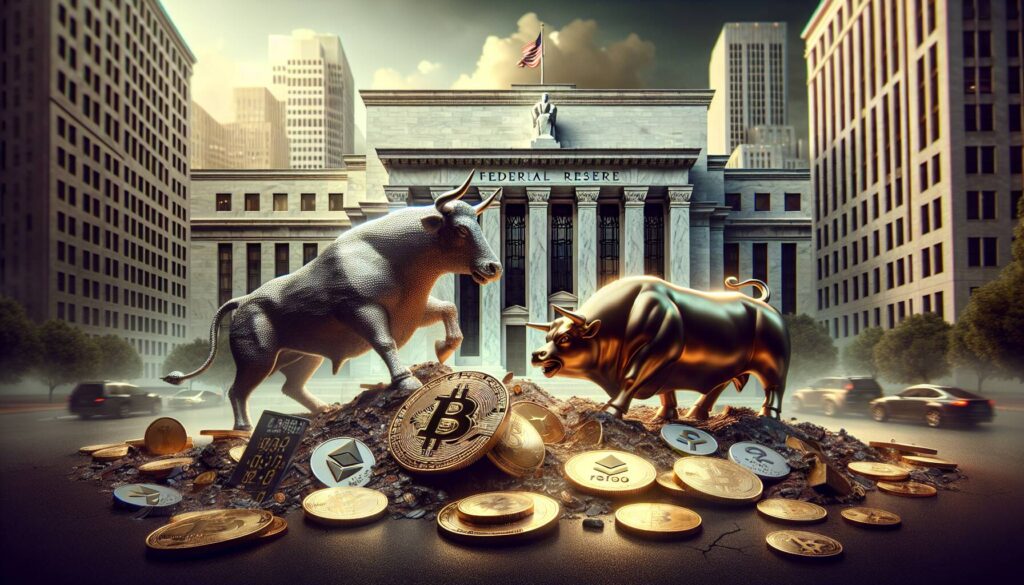
The cryptocurrency market is experiencing notable activity, driven by recent developments in the broader economic landscape. A rise in metals prices has captured attention, signaling potential shifts in investor sentiment and asset allocation. Alongside this, comments from Chris Waller, a prominent figure vying for the position of Federal Reserve Chair, have been characterized as dovish, indicating a potentially more lenient monetary policy approach in the future.
These elements intertwine as traders and investors alike watch for implications on the crypto market. Historically, changes in traditional commodities like metals can impact digital asset prices, as investors look for alternative stores of value amidst economic fluctuations. Waller’s remarks resonate with those seeking clarity on the Fed’s direction, potentially fostering a more favorable environment for cryptocurrencies. With both factors in play, the landscape appears poised for intriguing developments.
“The link between traditional assets and cryptocurrencies grows more relevant as market dynamics shift.”
As cryptocurrency prices react to these external influences, participants in the market are keenly observing how this interplay might shape future trends. The ongoing volatility in both metals and digital currencies suggests that the landscape remains dynamic, inviting further scrutiny of the factors at play.
Impact of Surging Metals Prices and Fed Comments on Crypto Market
The following are key points regarding the recent developments affecting crypto prices:
- Surging Metals Prices:
- Increased demand for metals can indicate economic growth, which may influence investor confidence in cryptocurrencies.
- Higher metals prices can lead to inflation concerns, prompting investors to seek alternative assets like cryptocurrencies.
- Dovish Comments from Chris Waller:
- Waller’s stance may suggest a continued supportive monetary policy, which can lead to an inflow of investments into riskier assets, including crypto.
- Such comments might lower interest rates, decreasing the opportunity cost of holding cryptocurrencies versus traditional assets.
- Interrelation of Factors:
- The dynamics between rising metals prices and dovish monetary policy could create a conducive environment for cryptocurrency appreciation.
- Investors may increasingly view cryptocurrencies as a hedge against inflation resulting from rising commodity prices.
The combination of these factors has the potential to significantly influence investment decisions, impacting personal finances and market strategies for crypto investors.
Crypto Prices React to Rising Metals Market and Fed Chair Remarks
Recent developments in the metals market, characterized by soaring prices, coupled with some dovish comments from Chris Waller, a prominent candidate for the Federal Reserve’s leadership, have created a notable ripple effect in the cryptocurrency landscape. These elements underscore a complex interplay between traditional commodities and digital currencies, revealing strong potential for cryptocurrency growth amid economic shifts.
Competitive Advantages: The increasing prices of metals, driven by supply chain issues and growing demand, may enhance the appeal of cryptocurrencies as an alternative investment. Investors often seek safe havens during periods of market volatility, and as metals become pricier, crypto might shine as a digital hedging tool. Waller’s comments suggest a more cautious approach from the Federal Reserve, which could keep interest rates low. This environment tends to favor riskier assets like cryptocurrencies, which thrive when traditional investment yields are stagnant.
Disadvantages: However, this surge in metals prices could also pose challenges for crypto. Investors driven by short-term gains might shift their focus back to tangible assets, potentially diverting funds away from cryptos. Furthermore, if Waller’s dovish stance leads to inflation concerns, it could stoke market fear, thereby affecting investor sentiment towards cryptocurrencies, which are often viewed as speculative investments.
This news could particularly benefit long-term crypto holders and institutional investors looking to diversify their portfolios amidst inflationary pressures. Conversely, it might create uncertainty for new investors or those looking for stable, predictable returns, who may find themselves caught between two volatile markets. As the landscape evolves, staying informed will be crucial for navigating these interconnected financial realms.