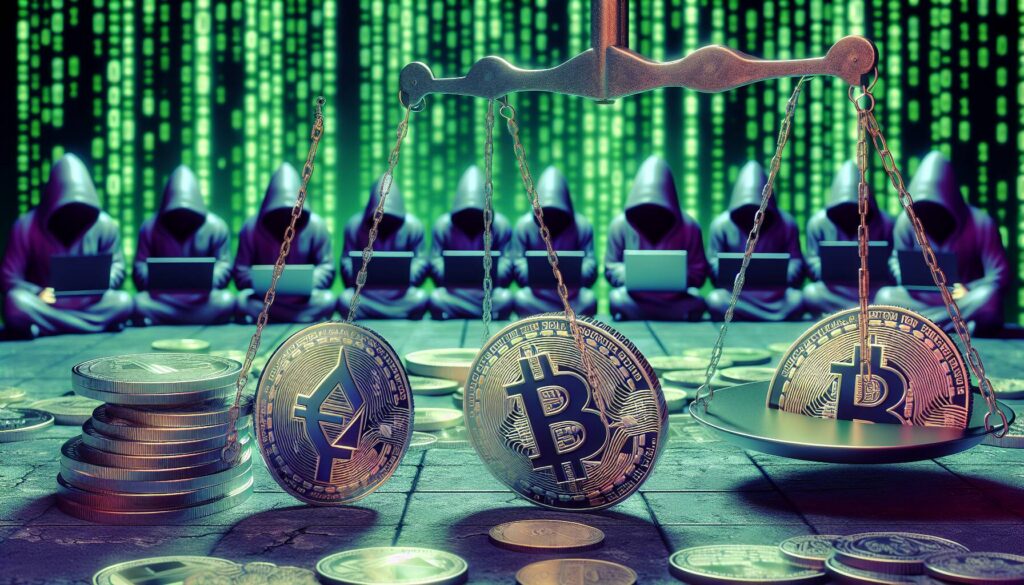











The cryptocurrency markets have been navigating through turbulent waters, particularly in the wake of escalating tensions in the Middle East. Recent developments indicate that while digital assets experienced a significant drop in value in the months leading up to the conflict, they have shown surprising resilience in the current week, avoiding any new lows.
Market analysts note that the impact of geopolitical events on cryptocurrency can be profound, yet this latest turmoil seems to have led to a stabilization in values, at least for now.
Despite the volatility that often accompanies such crises, cryptocurrencies are currently displaying a level of endurance that some investors find encouraging. As prices hover around their existing levels, the question arises: what factors are contributing to this unexpected stability in the crypto market?
Furthermore, it’s essential to observe how investor sentiment evolves in response to ongoing developments in global affairs. While historical data suggests that cryptocurrencies can be influenced by external events, the markets’ recent performance might signal a shift in the dynamics at play.

Impact of Middle East Conflict on Crypto Markets
The ongoing Middle East conflict has implications for the crypto markets as follows:
- Market Stability: The crypto markets are not hitting new lows despite geopolitical tensions.
- Investor Sentiment: Stability in crypto values may indicate continued investor confidence.
- Risk Appetite: Investors might be more cautious, affecting trading volumes and market activity.
- Global Factors: The crypto market is influenced by global events, indicating its interconnectedness.
- Potential for Growth: Current stability could lead to opportunities for growth as investors look for alternatives during uncertain times.
Understanding market reactions to geopolitical events can help investors navigate their financial strategies.
Crypto Markets Resilience Amid Middle East Conflict: A Comparative Analysis
The tumultuous landscape of global events has undoubtedly put pressure on various financial sectors, particularly cryptocurrencies. While traditional markets are often vulnerable during geopolitical crises, cryptocurrencies appear to be showcasing a surprising level of resilience. This stability comes in the wake of the recent conflict in the Middle East, which has already impacted numerous markets. Unlike the broader market downturn seen in the previous months leading up to this conflict, crypto seems to have found a floor, as it hasn’t dipped to new lows this week.
Comparatively, major stock indices are grappling with volatility, reflecting overall investor unease. For instance, traditional assets such as oil and gold have seen spikes due to geopolitical uncertainty, which heightens risk for those invested in more conventional sectors. On the other hand, the decisive performance of cryptocurrencies during this tumultuous time suggests they may well be appealing to a demographic seeking alternative stores of value amid such instability.
One key advantage for cryptocurrencies in this scenario lies in their decentralized nature. Investors looking for refuge from traditional markets may find solace in digital assets, further boosting demand and potentially stabilizing prices. This trait may attract risk-tolerant investors and tech-savvy individuals who appreciate the innovative edge that cryptocurrencies encompass.
However, this newfound resilience could create complications for traditional financial institutions and investors heavily reliant on conventional assets. With the increasing allure of digital currencies, there’s a risk of capital flight from traditional sectors, which may exacerbate their instability during volatile times. Moreover, the unpredictable nature of crypto could deter more risk-averse investors, who may prefer the perceived safety of tangible assets.
In summary, while cryptocurrencies demonstrate a level of strength amidst the ongoing Middle East conflict, the implications for traditional markets could be significant. Investors intrigued by alternative financial avenues might find this an opportune moment to explore the digital asset landscape, while traditional asset holders could struggle with potential declines in confidence and capital allocation.