The cryptocurrency industry is on the brink of a significant transformation as energy demands and technology advancements converge. A recent deal has unveiled plans for a substantial power project in Ohio, which is set to include a 505 MW gas plant and an expansive 1,600 acres of land. This initiative promises to provide an impressive total of over 1 GW of power capacity, paving the way for future developments in artificial intelligence and information technology.
“This project could lay the groundwork for powering a new era of innovation in AI and IT, responding to the burgeoning energy needs of the cryptocurrency sector,”
As digital currencies continue to rise in popularity, the energy consumption associated with cryptocurrency mining and transaction verification has become a significant concern. This strategic investment in energy infrastructure highlights the industry’s recognition of the need for sustainable and reliable power sources to support its growth.
Ohio, with its strategic location and resources, is emerging as an ideal hub for technology companies and cryptocurrency operations alike. This development is poised to attract businesses seeking efficient power solutions, ultimately fostering a vibrant ecosystem that could enhance the state’s economic landscape.
“With energy demands increasing, ensuring a robust supply is vital for the long-term viability of blockchain technologies,”
As industry players look to capitalize on this momentum, the implications of such energy deals will likely resonate throughout the market, providing a backdrop for innovation while addressing environmental and sustainability concerns in the cryptocurrency space.
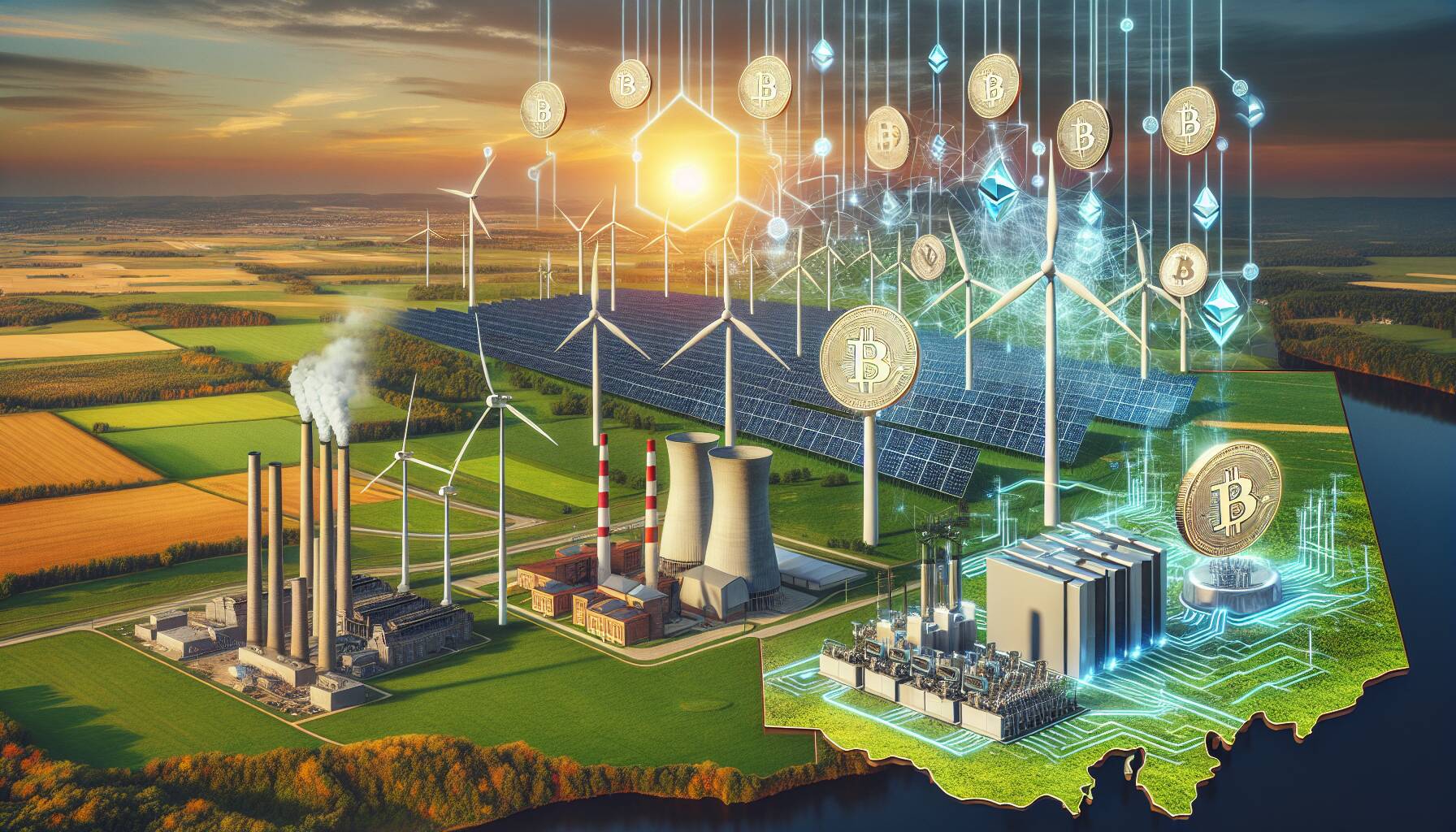
The Impact of New Energy Infrastructure in Ohio
Key aspects of the new energy deal include:
- 505 MW Gas Plant: A significant addition to the energy infrastructure, providing reliable power supply.
- 1,600 Acres of Land: Strategic land acquisition for future development and expansion of energy projects.
- Over 1 GW Capacity: A considerable boost in power capacity to support future AI and IT developments.
This energy expansion facilitates the growth of technology sectors, impacting local economies and job creation.
- Support for AI and IT Buildout: Increased energy resources are essential for powering data centers and tech startups.
- Environmental Considerations: Transitioning to new energy sources impacts sustainability efforts in the region.
- Economic Growth: Enhanced energy capacity can attract new businesses and strengthen local communities.
Game Changer in Ohio’s Energy Landscape with New Gas Plant Development
The recent deal announcing a 505 MW gas plant in Ohio, along with an impressive 1,600 acres of land earmarked for future AI and IT developments, marks a strategic move in the energy sector. This initiative boasts over 1 GW of power capacity, positioning itself as a significant player in the race for energy solutions aimed at supporting cutting-edge technologies.
Competitive Advantages: This development not only enhances local energy infrastructure but also aligns with the increasing demand for reliable power in the fast-growing AI and IT industries. The vast land allocation provides ample opportunity for expansion, attracting tech firms looking for sustainable energy solutions. Additionally, the plant themselves can leverage advancements in gas turbine technology, potentially yielding lower emissions compared to traditional power sources, aligning with environmental regulations and market demands for cleaner energy.
On the flip side, Disadvantages include potential environmental concerns that may arise from the establishment of a gas plant, such as greenhouse gas emissions and impacts on local wildlife. Furthermore, reliance on natural gas, while cleaner than coal, still poses a risk as public sentiment increasingly favors renewable sources like wind and solar. This could lead to community pushback and regulatory hurdles that could delay development and increase costs.
This energy expansion could significantly benefit stakeholders, including tech companies and local economies eager for job creation. However, it might create challenges for renewable energy advocates and established players in the green energy market, who may see this move as a step backwards in sustainable practices. Thus, while the new gas plant positions Ohio as a competitive energy hub for future technological enterprises, it also ignites debate regarding the optimal path for sustainable growth in energy production.