


The cryptocurrency landscape is undergoing significant transformation, particularly in Europe, where banks are increasingly recognizing the potential of digital assets. In a compelling examination, Brahimi delves into the integration of these assets into traditional banking systems, highlighting the evolving role of European banks as they adapt to a rapidly changing financial environment.
Following the implementation of the Markets in Crypto-Assets (MiCA) regulation, these financial institutions are expanding their services to include digital currencies, positioning themselves at the forefront of this technological shift. This development is not only reshaping brokerage services but also enhancing payment infrastructures, making it easier for clients to navigate the new digital economy.
“The adoption of digital assets by European banks marks a crucial step in bridging the gap between traditional finance and the rapidly evolving world of cryptocurrencies,” Brahimi notes.
As European banks begin to embrace this innovative frontier, they are faced with both opportunities and challenges. The ability to incorporate blockchain technology and facilitate crypto transactions could revolutionize how individuals and businesses conduct their financial affairs, ultimately creating a more interconnected global marketplace.
In an era where digital currencies are becoming increasingly mainstream, Brahimi’s insights highlight the pivotal role that regulation plays in shaping the future of finance. The blend of established banking practices with cutting-edge digital asset management creates a dynamic environment poised to redefine the parameters of financial activity in Europe.
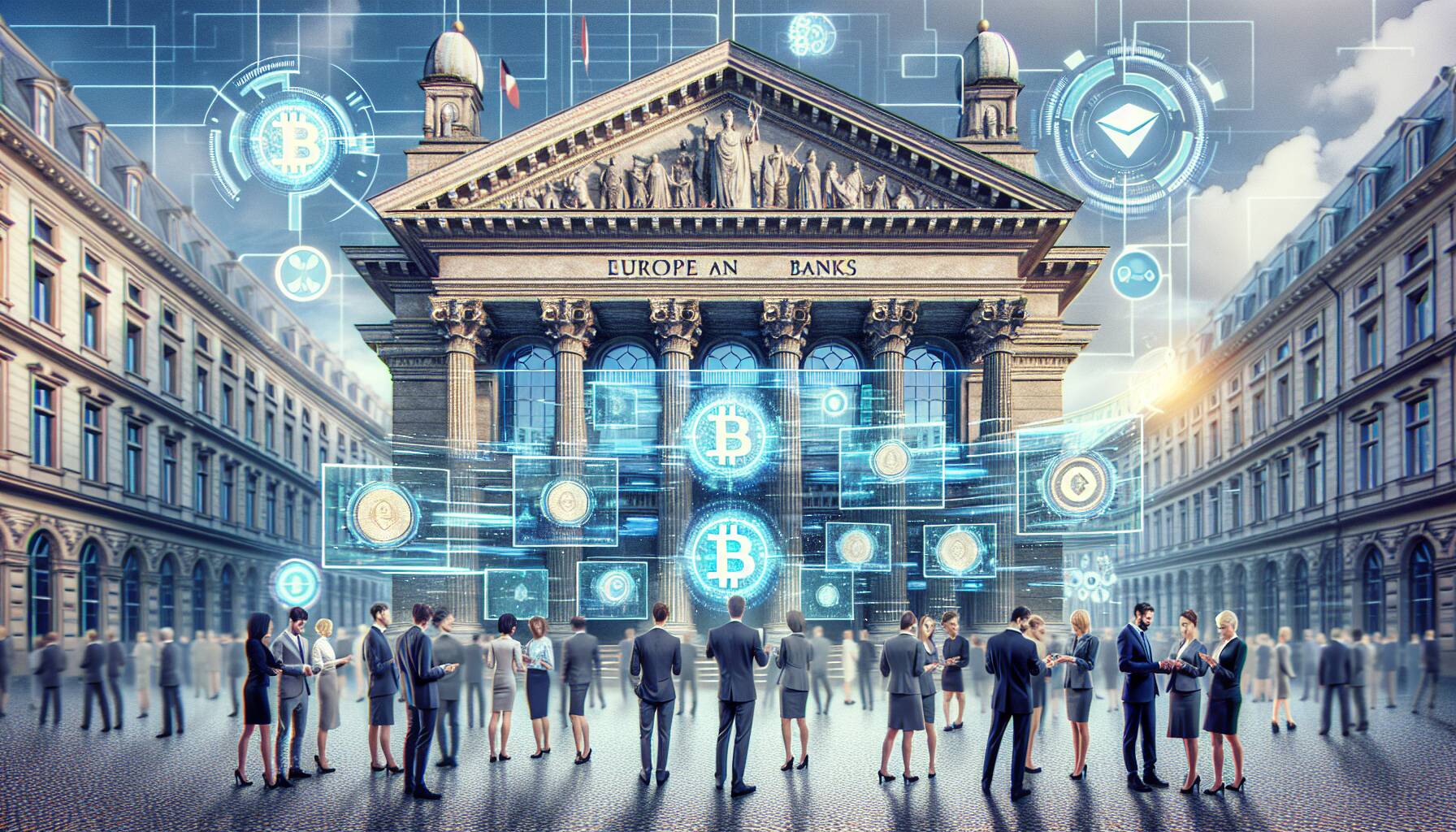
Impact of European Banks’ Integration of Digital Assets
The following key points outline the implications of European banks integrating digital assets into their brokerage and payments systems as influenced by the Markets in Crypto-Assets (MiCA) regulation:
- Regulatory Framework:
- MiCA provides a clear regulatory environment for digital assets, aiding banks in compliance.
- This clarity encourages banks to explore digital asset offerings, impacting their service diversification.
- Enhanced Brokerage Services:
- Integration facilitates the provision of brokerage services for cryptocurrencies and other digital assets.
- This expands investment opportunities for clients, potentially leading to increased asset management and trading activities.
- Payments Evolution:
- Digital asset integration can streamline payment processes, making transactions faster and reducing costs.
- Consumers may benefit from more efficient cross-border transactions, impacting their buying and selling experiences.
- Risk Management:
- Banks need to develop robust risk management strategies for the volatility associated with digital assets.
- This focus can influence how consumers approach investments in cryptocurrencies, stressing the importance of informed decision-making.
- Innovation and Competition:
- Integration may lead to increased competition among banks, driving innovation in financial products.
- Consumers could benefit from improved services and more favorable pricing as banks innovate to attract clients.
European Banks Embrace Digital Assets: A Competitive Analysis
Brahimi’s exploration of European banks integrating digital assets into their brokerage and payments infrastructure amidst the Markets in Crypto-Assets Regulation (MiCA) provides a compelling narrative in the evolving financial landscape. This strategic shift offers distinct competitive advantages. Banks can enhance their service offerings by appealing to tech-savvy customers who are increasingly seeking cryptocurrency options. The ability to facilitate digital transactions can attract a younger demographic, creating new revenue streams that traditional banking models often overlook.
However, there are notable disadvantages. The integration process can be complex and costly, with significant investments required in technology and staff training. Furthermore, regulatory uncertainties associated with digital assets might create compliance challenges that could expose banks to risks if not managed properly. Additionally, the volatility of cryptocurrencies could threaten financial stability if banks are not adequately prepared to handle market fluctuations.
The beneficiaries of this shift include innovative banks looking to enhance their market share and engage newer customers. Conversely, traditional banks that are slow to adapt may find themselves at a competitive disadvantage, potentially losing clientele to more agile, digitally focused institutions. Moreover, increased integration might create friction with existing regulatory frameworks, posing challenges for banks that fail to navigate the evolving policy landscape effectively.
As this initiative unfolds, existing customer bases could experience the duality of enhanced services and the risks associated with a more complex financial product landscape. It will be critical for stakeholders to monitor how banks balance these competitive factors to capture opportunities while mitigating potential pitfalls in this rapidly changing environment.


