










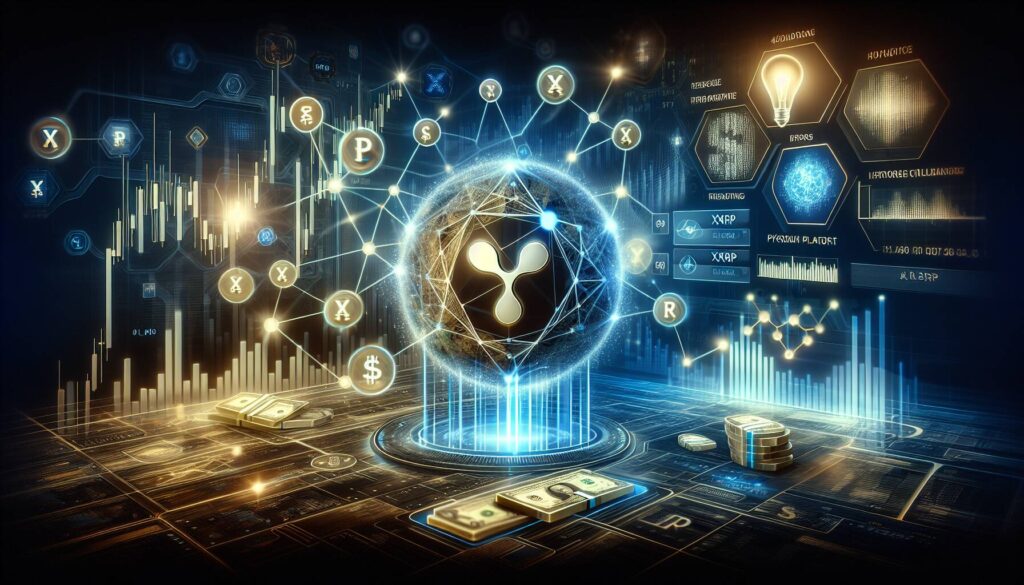
In a notable advancement within the cryptocurrency world, FXRP has emerged as an innovative solution that enables the trading of XRP on Hyperliquid’s onchain orderbook. This development marks a significant step in enhancing liquidity and accessibility for XRP users and traders alike.
The FXRP token represents a bridge between different blockchain networks, allowing XRP holders to leverage Hyperliquid’s trading platform while retaining the option to revert their tokens back to the XRP Ledger. This dual capability not only broadens the trading landscape for XRP but also integrates the asset into a wider variety of decentralized finance (DeFi) applications.
As the crypto market continues to evolve, solutions like FXRP play a crucial role in optimizing the interaction between different blockchain protocols, showcasing the dynamic nature of digital asset trading.
Hyperliquid, known for its innovative onchain orderbook model, offers a more efficient and user-friendly trading experience. By facilitating FXRP’s integration, the platform enhances the potential for real-time transactions and decentralized trading activities, aligning with the increasing demand for seamless crypto trading solutions.
With FXRP’s launch, the intersection between XRP and innovative trading platforms like Hyperliquid illustrates the growing trend of interoperability in the cryptocurrency sector, paving the way for new opportunities in digital asset management and trading practices.
Impact of FXRP on XRP Trading
FXRP introduces a new trading mechanism for XRP that can significantly affect market accessibility and liquidity. Here are the key points:
- Onchain Orderbook Trading:
FXRP facilitates the trading of XRP directly on Hyperliquid’s onchain orderbook, enhancing transparency and efficiency.
- Bridging Capability:
Users have the option to bridge FXRP back to the XRP Ledger, providing flexibility in asset management.
- Increased Liquidity:
The integration may lead to higher liquidity in the XRP market, benefiting traders with better pricing options.
- Enhanced Accessibility:
FXRP allows wider access to XRP trading for users who prefer onchain platforms.
- Potential for Arbitrage Opportunities:
Traders could exploit price differences between the FXRP on Hyperliquid and XRP on the regular Ledger.
This new trading framework may revolutionize how users interact with XRP, offering more adaptive trading strategies and improving overall user experience in the crypto space.
FXRP: Bridging Opportunities in the Cryptocurrency Landscape
The launch of FXRP, which facilitates XRP trading on Hyperliquid’s onchain orderbook, marks a notable advancement in the decentralized finance sector. This innovation not only allows seamless trading but also provides a pathway to bridge assets back to the XRP Ledger. In the realm of crypto, this capability stands out, especially in comparison to other platforms that either lack such bridging options or impose higher fees and longer processing times.
Competitive Advantages: One of the greatest benefits of FXRP is its integration with Hyperliquid, a platform known for its low-latency and highly liquid trading environment. This synergy empowers traders with instantaneous execution and promotes a more dynamic trading experience. Moreover, the option to revert assets back to the XRP Ledger adds a layer of flexibility that is often missing in other exchanges. Unlike platforms that rely solely on custodial solutions, FXRP emphasizes user control and ownership over assets, a crucial factor for many crypto enthusiasts.
Competitive Disadvantages: However, FXRP might face challenges from existing solutions that are already entrenched in the market, such as Uniswap or PancakeSwap, which offer vast liquidity pools across various tokens. These platforms have solid user bases and established trust, making it daunting for new entrants like FXRP to capture market share effectively. Additionally, some users may be hesitant about onchain solutions due to concerns over transaction costs and scalability issues during peak times.
The introduction of FXRP could significantly benefit traders looking for efficient, low-cost options while engaging with XRP. It also presents opportunities for developers and projects seeking to leverage the XRP ecosystem. On the flip side, traditional exchanges might experience pressure as users recognize the advantages of decentralized trading. Furthermore, this innovation could stir apprehension among regulators wary of the evolving landscape of onchain transactions and their implications for financial oversight.