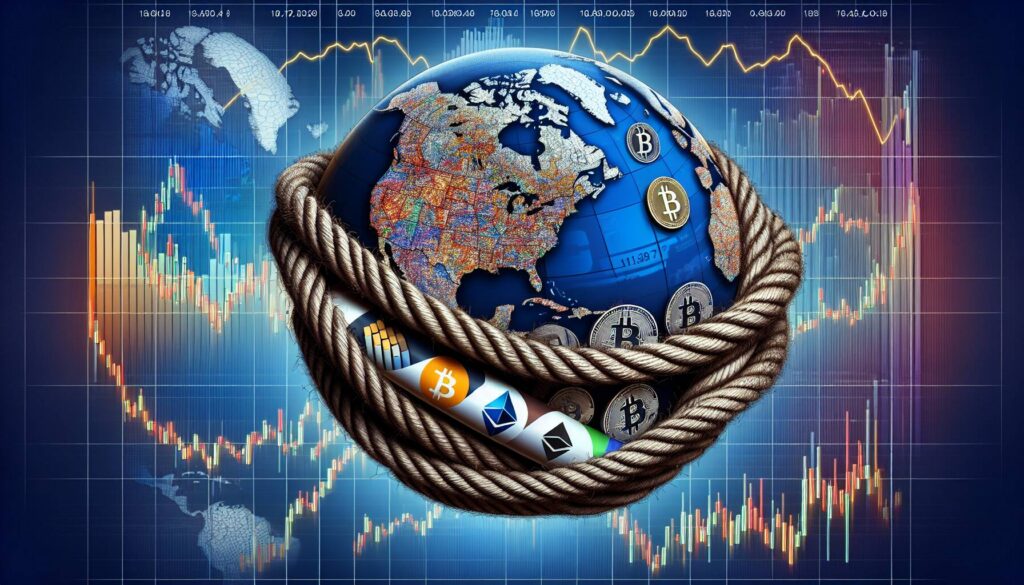
The world of cryptocurrency is once again feeling the tremors of geopolitical tension, as the largest digital currency experienced a significant reversal from its recent peak of $80,594. This notable shift follows an alarming report from Iran’s Fars news agency, which claimed that two missiles had targeted a U.S. warship. Such news is enough to send shockwaves through markets, and the immediate reaction was dramatic, with oil prices surging by 5% in response to the perceived threat.
However, the bullish mood was short-lived as the U.S. government quickly denied the missile report, dampening fears and stabilizing the situation. This rapid back-and-forth highlights the volatility inherent in both the cryptocurrency markets and global oil pricing, reminding investors of the interconnected nature of these financial arenas.
“Market reactions to geopolitical events can be rapid and unpredictable, showcasing the emotional side of investing.”
As cryptocurrency enthusiasts and investors absorb these developments, the impact of international relations on digital currencies remains a pivotal theme, underscoring the need for vigilance in an environment where news can dramatically influence market trajectories.
Impact of Geopolitical Tensions on Cryptocurrency Markets
The following points illustrate the connection between geopolitical events and cryptocurrency prices, specifically focusing on the recent incident involving Iran and its effect on the market.
- Crisis Trigger: Iran’s Fars news agency reported two missiles hitting a U.S. warship, causing immediate market reactions.
- Market Volatility: The largest cryptocurrency experienced a swift drop from a high of $80,594, highlighting its sensitivity to global events.
- Oil Price Surge: Following the missile report, oil prices spiked by 5%, indicating a direct correlation between military conflicts and commodities.
- U.S. Government Response: The U.S. denied the report, which may stabilize markets temporarily but reflects the ongoing uncertainty in geopolitical relations.
- Investor Sentiment: These events can cause panic or increased caution among investors, impacting their trading strategies and decisions.
Understanding the interplay between geopolitical events and market movements can help investors navigate volatility more effectively.
Market Shifts: Crypto Responses to Geopolitical Tensions
The recent turbulence in the cryptocurrency market, particularly with the largest digital asset, underscores how sensitive these markets can be to geopolitical incidents. Following reports from Iran’s Fars news agency about alleged missile strikes on a U.S. warship, the price surged to an impressive $80,594 before witnessing a significant downturn as the U.S. government swiftly refuted the claims. This reaction showcases the inherent volatility of cryptocurrencies, influenced not only by market trends but by international news as well.
Competitive Advantages: Such sudden spikes often attract speculative traders seeking short-term gains, driving up volume and liquidity in the market. For investors who thrive on volatility, this presents a promising opportunity to capitalize on price fluctuations before stabilization occurs. Additionally, the correlation between oil prices and crypto movements can be advantageous for traders who analyze these intertwining markets, as observed with the 5% rise in oil following the missile claims.
Disadvantages: Conversely, the rapid response and subsequent denial can induce fear and uncertainty among more conservative investors. Those prone to utilizing stop-loss orders might find themselves at a disadvantage as they may exit positions during market dips, missing potential rebounds. Moreover, repeated geopolitical uncertainties can lead to a ‘flight to safety’ where traditional assets like gold become more attractive, potentially diminishing crypto investments.
This situation may favor short-term traders and cryptocurrency enthusiasts who are quick to react to news cycles. Still, it poses challenges for institutional investors and long-term holders who prioritize stability and may feel disheartened by the unpredictable swings characteristic of crypto markets, especially in times of geopolitical unrest.