








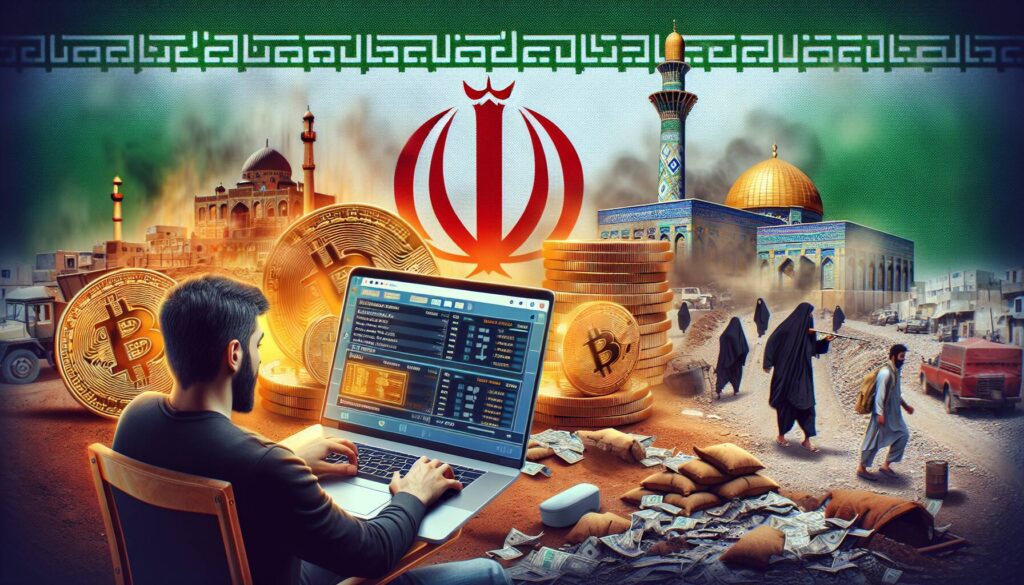
In the wake of ongoing protests and a deepening economic crisis, Iran is witnessing a notable shift in its cryptocurrency landscape. More and more Iranians are opting to withdraw their bitcoin holdings from exchanges and transfer them into personal wallets. This trend highlights how individuals are navigating the turbulent financial environment by taking control of their digital assets.
Protests, sparked by various socio-political grievances, have intensified public interest in cryptocurrencies as a means of preserving wealth amidst increasing economic instability. As the Iranian currency grapples with inflation and fluctuating values, bitcoin emerges as a more stable alternative for many citizens seeking to secure their financial futures.
“This movement towards personal wallets not only reflects a desire for financial autonomy but also indicates a growing awareness of the benefits of cryptocurrency in challenging times,” says a local cryptocurrency analyst.
The withdrawal trend is emblematic of wider global movements in cryptocurrency, where individuals seek refuge from traditional banking systems. As access to conventional financial services becomes more restricted, the appeal of decentralized currencies like bitcoin grows stronger. This reality resonates deeply in Iran, where many are increasingly embracing digital finance as a lifeline in uncertain times.
Iranians Increasingly Withdrawing Bitcoin to Personal Wallets
Key points related to the current situation in Iran regarding bitcoin withdrawals:
- Protests and Economic Crisis: The backdrop of ongoing protests and financial instability drives individuals to seek alternative financial solutions.
- Increased Bitcoin Adoption: A rise in the use of bitcoin as a form of refuge against national currency devaluation and economic hardships.
- Shift to Personal Wallets: More individuals are moving their bitcoin from exchanges to personal wallets for greater security and control over their assets.
- Impact of Government Policies: Regulatory actions may influence the flow of cryptocurrency and shape financial behavior among citizens.
- Global Awareness: Developments in Iran can affect global perceptions of cryptocurrency and its role in economic resilience.
The relationship between the local economic crisis and the shift to decentralized financial solutions like bitcoin exemplifies a trend that may influence financial autonomy for individuals facing systemic challenges.
The Shift of Iranians Towards Bitcoin: A Comparative Analysis
Recent developments in Iran highlight a significant trend where individuals are pulling their Bitcoin from exchanges and securing it in personal wallets. This shift can be seen in light of ongoing protests and a dire economic situation, prompting citizens to seek alternatives for safeguarding their assets. In comparison, other regions experiencing economic turmoil, such as Venezuela and Argentina, have also witnessed a rise in cryptocurrency adoption as a hedge against inflation and government instability.
Competitive Advantages: One of the notable advantages for Iranians opting to move their Bitcoin to personal wallets is the increased control over their funds. Unlike keeping assets on exchanges, which are vulnerable to hacking and government seizure, personal wallets offer security and autonomy in times of crisis. Furthermore, the growing global acceptance of Bitcoin enhances its value as a viable currency for trade, especially in countries facing sanctions or financial isolation.
However, disadvantages persist, particularly regarding the lack of regulatory frameworks in Iran that can protect investors from fraud or loss. Individuals transferring significant amounts to personal wallets may encounter challenges related to market volatility and the risk of losing access to their wallets if proper security measures aren’t in place. Additionally, the political situation may lead to further restrictions on digital currencies, complicating transactions and limiting the overall use of Bitcoin within the country.
This trend of withdrawing Bitcoin from exchanges could benefit tech-savvy individuals looking to preserve their wealth, alongside entrepreneurs venturing into the burgeoning crypto market. Conversely, it could create problems for the Iranian government by diminishing its ability to track and control monetary flows, exacerbating financial instability, and challenging the existing economic system.