









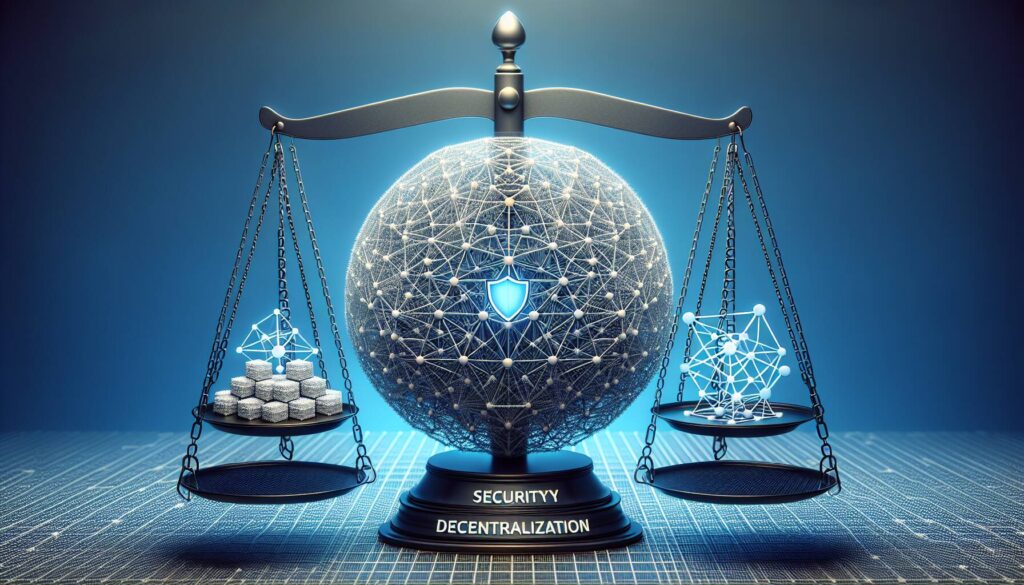
A significant shift is unfolding within the cryptocurrency space as a prominent layer-1 network has decided to reverse its course concerning a controversial move to rewrite chain history. This decision came after rising concerns from ecosystem partners, who argued that altering the blockchain’s history would not only threaten the fundamental principle of decentralization but also introduce operational risks that could destabilize the network. The backdrop to this debate is a recent incident where the network suffered a $3.9 million exploit, sparking discussions about the resilience and security of blockchain technology.
In the world of cryptocurrency, where trust and transparency are paramount, any action perceived as compromising these values can lead to significant backlash. As partners and stakeholders voiced their apprehensions, the network’s management recognized the need to prioritize the integrity of the system over short-term fixes. By stepping back from rewriting its history, the network aims to uphold the trust of its community and ensure the long-term viability of its ecosystem. This scenario highlights the delicate balance that blockchain networks must maintain between addressing immediate security concerns and preserving the foundational ideals of decentralization.
As the industry continues to evolve, the implications of this decision could resonate beyond just this layer-1 network, serving as a crucial case study for others navigating similar challenges in the ever-changing cryptocurrency landscape.
Impact of Layer-1 Network Decisions on Decentralization
The decisions made by layer-1 networks can have significant ramifications for their ecosystems and users. Here are the key points regarding the recent events:
- Reversal of Chain History Rewrite: The layer-1 network decided against rewriting its chain history.
- Partners’ Warning: Ecosystem partners raised concerns about decentralization and operational risks.
- Financial Impact: The network faced a $3.9 million exploit that prompted this decision.
- Decentralization Risks: Rewriting history could lead to reduced trust and reliance on the network’s integrity.
- Operational Stability: Maintaining current chain history helps preserve operational continuity and avoid further vulnerabilities.
The integrity of blockchain networks is crucial for user trust and investment; operations that threaten this can have long-lasting effects on community confidence.
Understanding these points can help readers evaluate the stability and reliability of blockchain networks they engage with and inform their investment decisions.
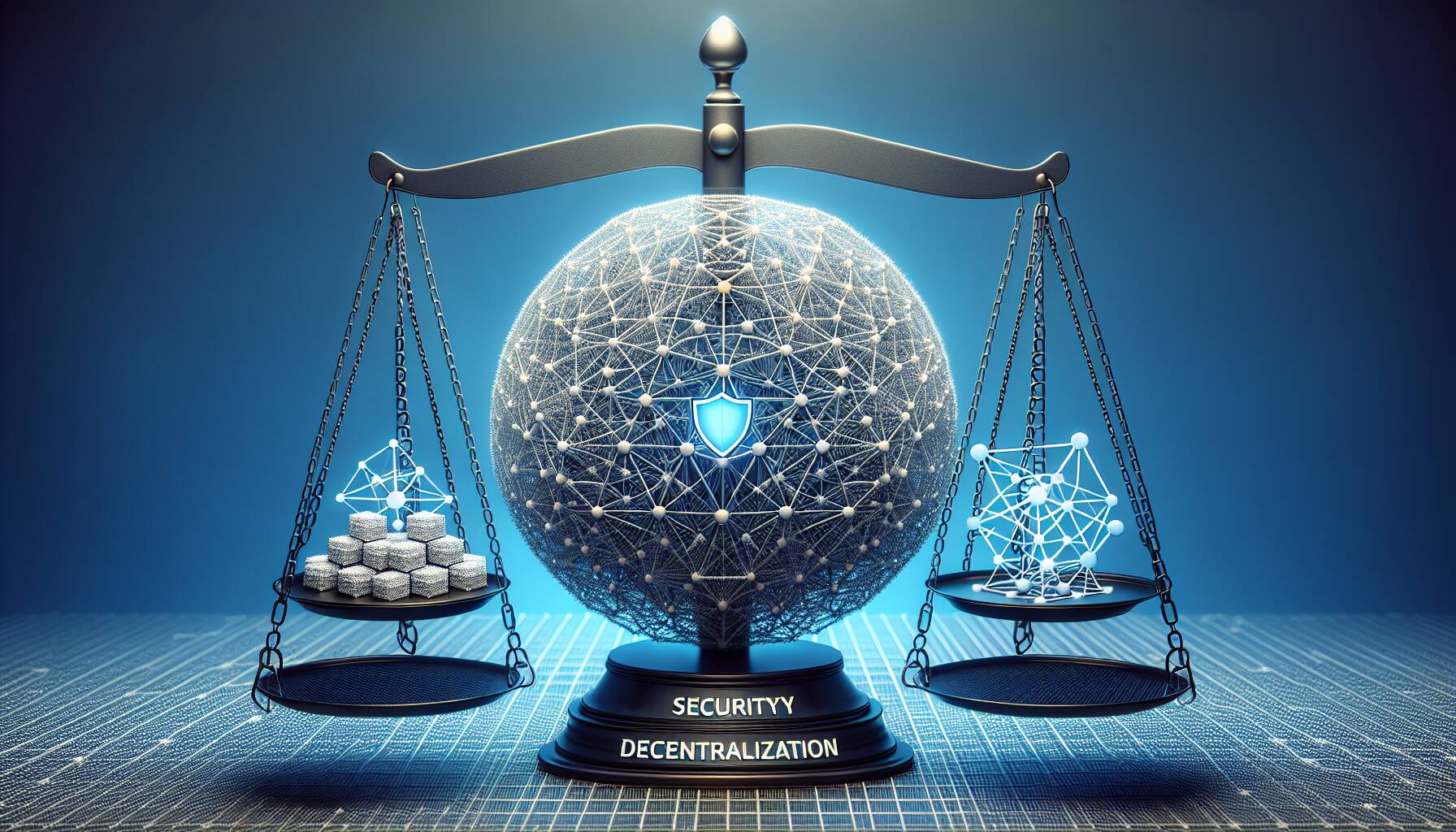
Layer-1 Network’s Bold Decision: Balancing Security and Decentralization
In a recent development, a layer-1 network faced a significant challenge following a $3.9 million exploit that raised concerns about the integrity of its ecosystem. After receiving stern feedback from partners regarding the potential risks of rewriting chain history, the network opted to reverse its course. This decision highlights a critical balancing act between ensuring security and preserving the core principles of decentralization.
Compared to similar scenarios in the blockchain space, this network’s choice to prioritize decentralization over quick fixes positions it favorably against projects that have opted for more centralized solutions in response to security breaches. For instance, other networks have faced backlash from their communities after rolling back transactions or implementing centralized controls to address vulnerabilities. By taking a more community-focused approach, this layer-1 network could strengthen its reputation and trust among users, appealing especially to those prioritizing transparency and fairness.
However, this strategy isn’t without its drawbacks. By choosing not to intervene more aggressively to correct the exploit, the network risks losing user confidence in its system’s security. Investors and developers might view this hesitation as a lack of robustness in crisis management. Thus, startups or smaller projects may feel emboldened to adopt less secure practices, thinking that they can afford to wait out issues instead of addressing them head-on.
This situation presents a unique opportunity for long-term investors and developers who are looking for resilient projects. Those who prioritize decentralization and trustworthiness over short-term gains will likely find this network’s commitment appealing. Conversely, more risk-averse users concerned with immediate security may feel unsettled, questioning whether they can rely on this network given the recent exploit. As the digital asset landscape evolves, how this layer-1 network navigates its current predicament could set the tone for future discussions around exploitation responses and decentralization principles.