









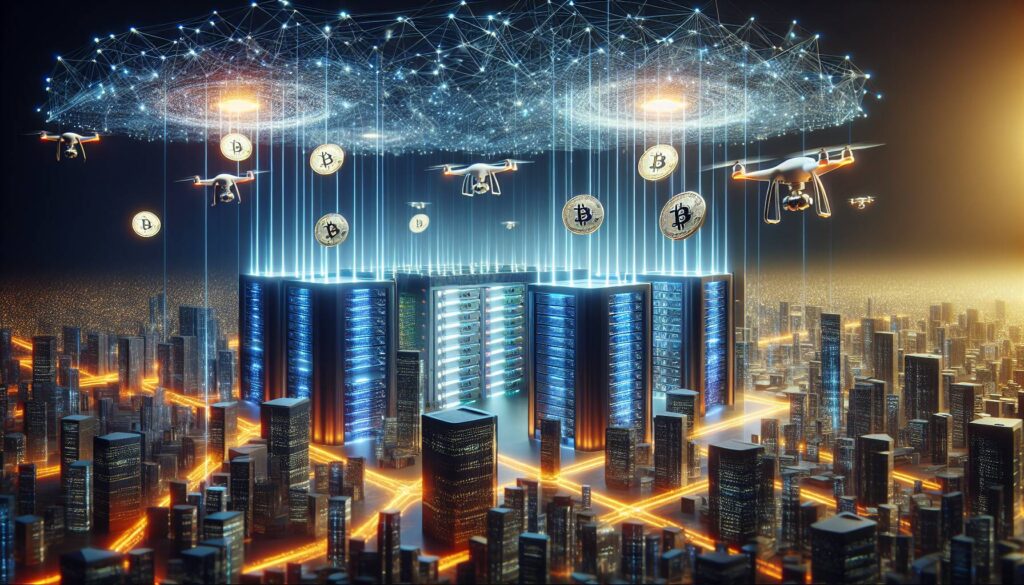
In the ever-evolving landscape of the cryptocurrency industry, a transformative idea has emerged: continuous Machine-to-Machine (M2M) payments are likened to the new electricity, while blockchains are positioned as the vital power grid that supports this innovative ecosystem. This perspective, championed by industry expert Huang, draws a compelling parallel between the foundational role that electricity plays in our daily lives and the potential of blockchain technology to revolutionize how machines communicate and transact with one another.
As businesses and consumers increasingly rely on automated systems, the demand for seamless and efficient payment mechanisms has never been more pronounced. M2M payments, facilitating instant transactions between devices without human intervention, promise to streamline operations across a variety of sectors. With blockchains serving as the backbone for these transactions, the infrastructure is set to enable greater transparency and security in the exchange of value.
“If continuous M2M payments are the new electricity, then blockchains must be seen as the new power grid,” Huang asserts, emphasizing the critical role of blockchain in fostering this technological advancement.
This analogy not only highlights the immense potential of M2M payments but also illustrates the importance of robust blockchain technologies in supporting an increasingly interconnected world. As we continue to witness advancements in both fields, the spotlight remains on how these innovations will reshape our economic interactions and drive future growth in the digital realm.
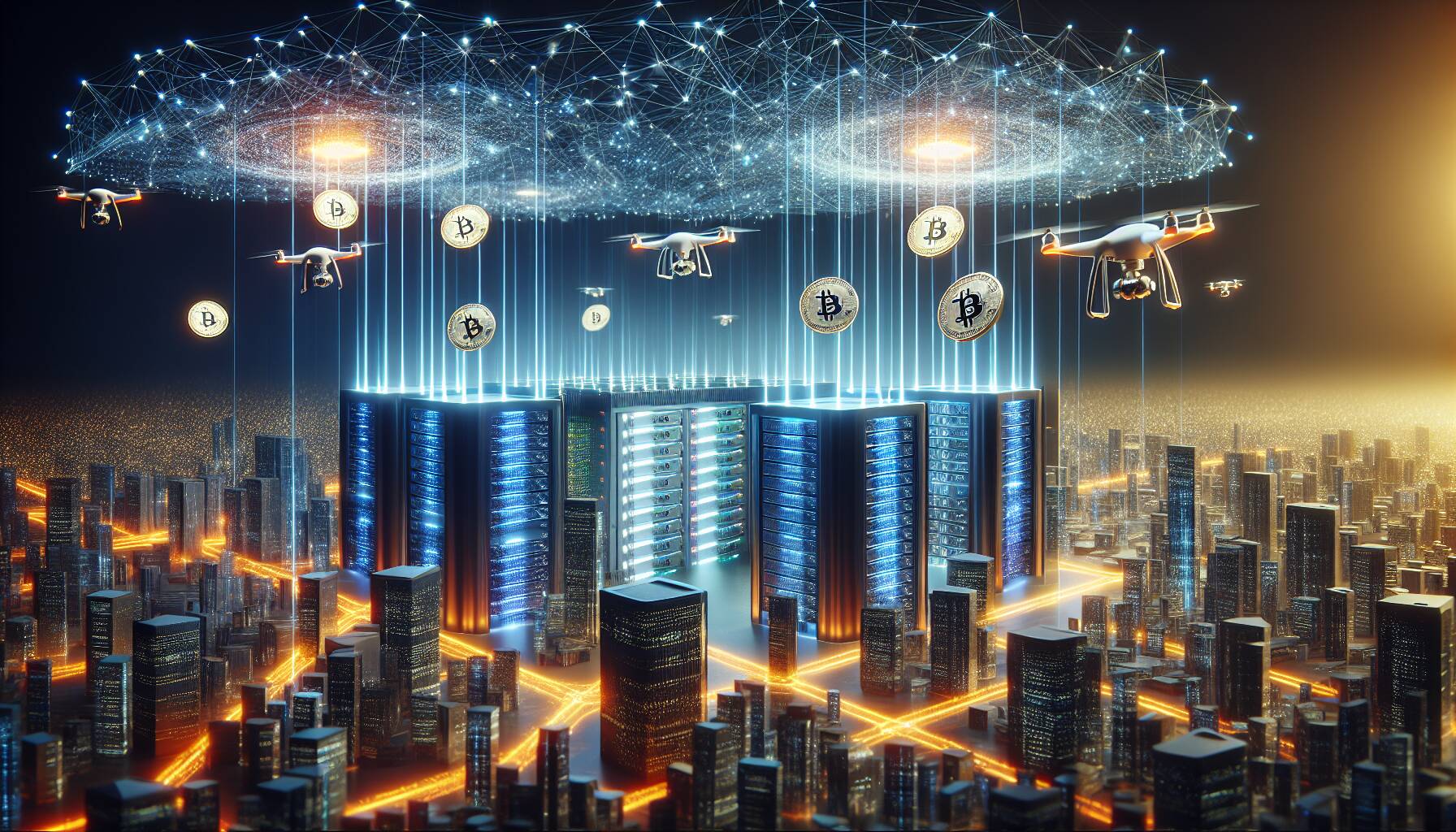
If Continuous M2M Payments Are the New Electricity, Then Blockchains Are the New Power Grid
Key Points:
- Continuous M2M Payments
- Revolutionizing transactions between machines.
- Enhancing efficiency in various industries.
- Blockchains as Power Grid
- Providing a decentralized framework for transactions.
- Ensuring security and transparency across networks.
- Impact on Daily Life
- Potential for seamless automated transactions in smart homes.
- Increased trust in machine operations across various sectors.
- Future Innovations
- Possibility of integrating IoT devices with M2M payments.
- New business models emerging from blockchain technology.
The Future of Payments: M2M Transactions and Blockchain’s Role
In the rapidly evolving landscape of financial technology, the concept of Machine-to-Machine (M2M) payments is emerging as a revolutionary force, akin to electricity’s transformative impact. Huang’s analogy of blockchains functioning as the new power grid captures the essence of this shift, positioning them as the backbone of a decentralized payment ecosystem. This development presents unique competitive advantages, especially in enhancing transaction speed and reducing costs, compared to traditional payment systems that often face bureaucratic delays and hefty fees.
While many fintech innovations tout efficiency, the scalability of M2M payments is paramount. Unlike conventional methods that may falter under heavy demand, blockchain networks can handle numerous transactions simultaneously, making them suitable for businesses relying on instant interactions between devices. However, this technology does face challenges, such as regulatory scrutiny and security concerns surrounding data privacy, which could hinder mass adoption. The potential vulnerability of blockchain networks to cybersecurity threats may deter businesses that prioritize data integrity, leading to hesitations among stakeholders.
The primary beneficiaries of this new financial paradigm are tech-savvy companies in sectors like IoT, logistics, and automated services that can harness M2M transactions to optimize their operations. They stand to gain improved efficiency and resilience in payment processing. Conversely, industries reliant on traditional payment methods may find themselves at a disadvantage, struggling to keep pace with more innovative competitors. As the shift towards M2M payments and the underlying blockchain infrastructure continues, the financial landscape will undoubtedly reflect both the opportunities and the challenges this technology brings to different players within the market.