

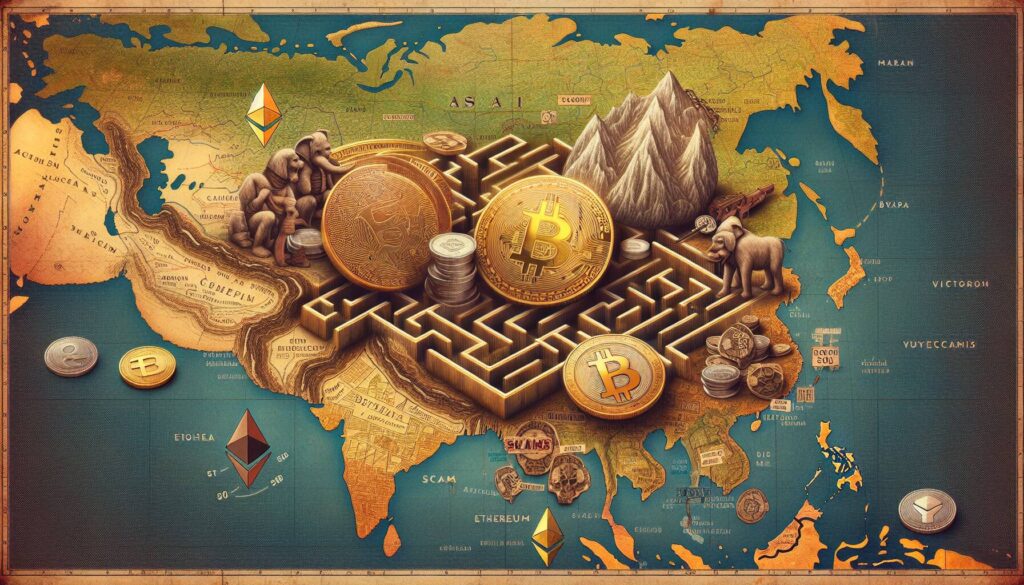
This week’s issue of the Crypto Long & Short Newsletter features insights from Bob Williams on the evolving landscape of cryptocurrency regulations in Asia. As lawmakers tighten their grip, senior leaders are finding themselves under increasing pressure to embrace robust governance practices. The report emphasizes that with the rise of stricter regulations, comprehensive Director and Officer (D&O) insurance has become more crucial than ever for those navigating these turbulent waters.
“Stricter regulations in Asia are putting more personal responsibility on senior leaders,” Williams notes, highlighting the importance of accountability amidst a climate of regulatory scrutiny.
Additionally, Haidy Grigsby from the FBI sheds light on a concerning trend in the crypto space. Scammers are developing more sophisticated tactics, targeting seasoned investors by fostering a sense of trust and eventually leading them to funnel larger sums into fraudulent schemes. This method not only exploits the investors’ experience but ultimately leaves them with devastating financial losses.
“Crypto scams are increasingly targeting experienced investors by building trust and tricking them into making larger deposits until their money is gone,” Grigsby warns, underlining the need for vigilance in a market that can often be predatory.
In this week’s edition, both contributors provide a crucial reminder of the ever-present risks in the cryptocurrency market, especially for those in leadership positions and seasoned investors alike.
Impact of Stricter Crypto Regulations and Scams on Investors
This week’s newsletter highlights significant trends in the crypto market, focusing on governance and security for investors.
- Stricter Crypto Regulations in Asia
- Impose more personal responsibility on senior leaders.
- Lead to an increased importance of governance frameworks.
- Importance of Strong Governance
- Essential for compliance with regulations.
- Protects organizations from potential legal ramifications.
- D&O Insurance Necessity
- Covers the personal liability of directors and officers.
- Crucial for leadership in navigating regulatory landscapes.
- Increase in Crypto Scams Targeting Experienced Investors
- Scammers build trust to trick individuals into larger investments.
- Investors must be vigilant to protect their assets.
- Impact on Personal Investment Strategies
- Increased awareness of governance and regulatory risks.
- Need for skepticism towards alluring investment opportunities.
Stricter Crypto Regulations and Rising Scams: A Double-Edged Sword for Investors
Within the ever-evolving landscape of cryptocurrency, the latest insights from Bob Williams’ Crypto Long & Short Newsletter highlight a significant trend: increased regulatory scrutiny in Asia demands heightened accountability from senior leaders in the industry. This move towards stricter governance introduces a critical competitive advantage for companies proactively investing in robust governance frameworks and directors’ and officers’ (D&O) insurance. Such preparedness not only mitigates legal risks but also enhances investor confidence, setting these companies apart in a crowded market.
However, the flip side of this regulatory environment poses significant challenges. Organizations that fail to adapt to these heightened expectations may find themselves at a disadvantage, facing potential penalties and loss of credibility. Furthermore, the FBI’s Haidy Grigsby sheds light on a troubling scenario—crypto scams are increasingly becoming more sophisticated, targeting even seasoned investors. These scams build a façade of trust, luring victims into making larger financial commitments until they face devastating losses.
The implications of these trends are profound. On one hand, companies that embrace stricter governance are well-positioned to thrive, potentially attracting risk-averse investors who prioritize security and transparency. On the other hand, the surge in targeted scams could create a chilling effect among experienced investors, sowing distrust across the crypto market. As a result, organizations that prioritize investor education and transparent communication may find a loyal customer base, while those that overlook these areas risk alienating their clientele amid growing concerns over security and trustworthiness.


