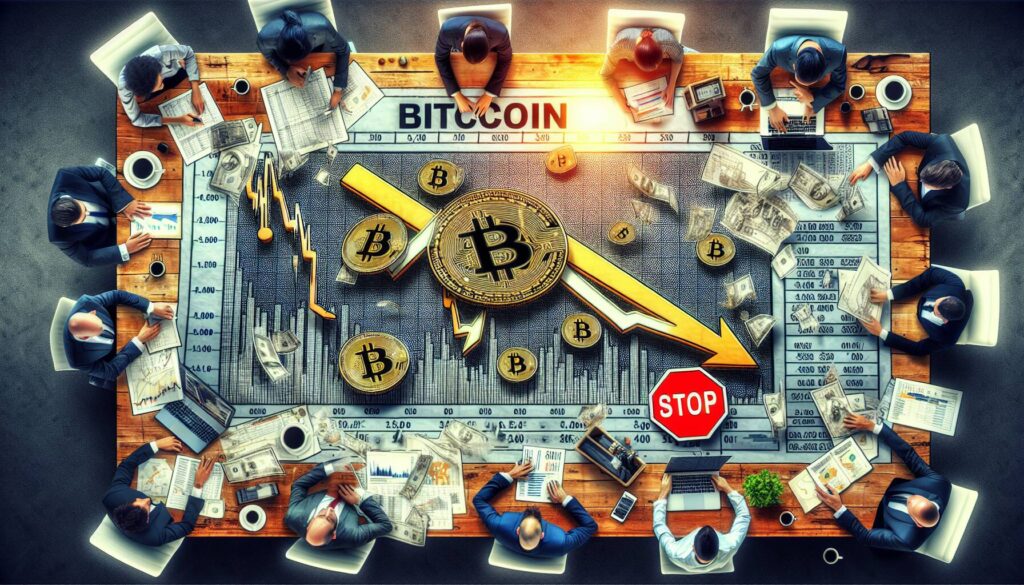











The world of cryptocurrency has been rocked by alarming news, with a new report revealing that hackers linked to North Korea played a significant role in driving an unprecedented surge in crypto thefts over the past year. These cybercriminals have shifted their focus toward orchestrating rare but monumental attacks on centralized platforms, leading to devastating financial losses.
One of the most notable incidents was the staggering $1.4 billion breach at Bybit, a major cryptocurrency exchange. This incident not only highlights the vulnerabilities present in centralized services but also underscores a growing trend in how cyber threats are evolving within the crypto landscape. As platforms become increasingly integrated into mainstream finance, they also become tantalizing targets for sophisticated hacking groups.
“The rise in large-scale attacks reflects the changing face of cybercrime, emphasizing the need for enhanced security measures in the crypto space,”
Industry analysts have pointed out that the tactics employed by these North Korean hackers represent a shift from smaller individual thefts to coordinated assaults that can yield much larger payouts. The implications of these breaches extend beyond financial losses; they also undermine investor confidence and threaten the integrity of the cryptocurrency market as a whole.
As the cryptocurrency ecosystem continues to expand and evolve, the challenge of safeguarding digital assets becomes more complex. This year’s record thefts signal a wake-up call for centralized exchanges and investors alike, reminding all stakeholders of the importance of rigorous security protocols in this burgeoning digital economy.

North Korea-Linked Hackers and Record Crypto Thefts
The surge in cryptocurrency thefts has been significantly influenced by North Korea-linked hackers, highlighting the vulnerabilities within the crypto industry.
- Record Crypto Thefts: 2023 marked the highest number of cryptocurrency thefts recorded, with losses reaching unprecedented levels.
- Bybit Breach: A notable incident involved a massive $1.4 billion breach targeting Bybit, a centralized cryptocurrency exchange.
- Focus on Centralized Services: Hackers are increasingly targeting centralized platforms, leading to concerns about security among users.
- Attribution to North Korea: The involvement of North Korea in such cybercrimes raises geopolitical concerns and highlights the risks posed by state-sponsored hackers.
The implications of these thefts extend beyond financial loss, affecting the security perceptions of cryptocurrency and potentially impacting regulatory responses.
- Impact on Individuals: Increased risk of loss for personal investments in cryptocurrencies, emphasizing the need for enhanced security measures.
- Influence on Regulations: Heightened scrutiny from regulatory bodies may lead to stricter laws and requirements for cryptocurrency exchanges.
- Investor Caution: Potential shift in investor behavior, leading to more cautious investments and a focus on decentralized options for enhanced security.
Crypto Security at Risk: North Korea’s Escalating Cyber Threats
The rise of North Korea-linked hackers marks a pivotal shift in the landscape of cryptocurrency security, striking fear into exchanges and investors alike. The staggering $1.4 billion breach of Bybit represents not only a record year for crypto thefts but also highlights a trend towards more substantial, centralized service attacks. This pattern poses unique challenges for many players in the cryptocurrency market.
In comparison to other breaches, the scale of these attacks showcases a significant advantage for hackers, as they target larger and more centralized platforms. While other threats in the digital currency domain often involve phishing or small-scale exploits, the North Korean operations illustrate a methodical approach that maximizes impact. This strategic shift could serve as a double-edged sword; while these attacks bring swift monetary gains for hackers, they also attract heightened scrutiny from global regulators and law enforcement, which could lead to intensified efforts to combat such threats.
Investors and crypto users, particularly those engaged with centralized services, are at a crossroad. The revelations can foster a growing distrust in these platforms, pushing users towards decentralized alternatives. However, traders and companies that prioritize security measures may leverage this situation to their advantage, marketing their resilience against such sophisticated threats. On the flip side, exchanges lacking robust security frameworks might face severe reputational damage, losing customer confidence and market share.
With ongoing geopolitical tensions intertwining with technological vulnerabilities, the potential for further incidents remains high. Stakeholders must navigate the complexities of this evolving threat landscape—those who adapt swiftly and enhance their security frameworks may find opportunities amid the chaos, while slower responders could experience dire consequences.