










In a significant move within the cryptocurrency landscape, Polygon, a prominent player in the blockchain space, is reportedly acquiring a bitcoin ATM provider for an amount between $100 million and $125 million. This acquisition marks a pivotal step for Polygon as it seeks to enhance its offerings and broaden access to Bitcoin through physical ATMs, which have become increasingly popular among cryptocurrency enthusiasts.
According to insider sources, this deal underscores Polygon’s commitment to expanding its ecosystem and facilitating easier transactions for users.
The rise of bitcoin ATMs has transformed the way individuals interact with cryptocurrency, allowing for quick and accessible purchasing options that cater to both seasoned investors and newcomers alike. With this acquisition, Polygon aims to bridge the gap between traditional finance and the digital currency realm, further solidifying its position in the rapidly evolving market.
This strategic investment not only showcases Polygon’s ambition but also highlights the growing importance of physical cryptocurrency infrastructure as demand continues to rise. As users increasingly seek convenience in accessing digital assets, the integration of ATM services can play a crucial role in fostering adoption and usability.
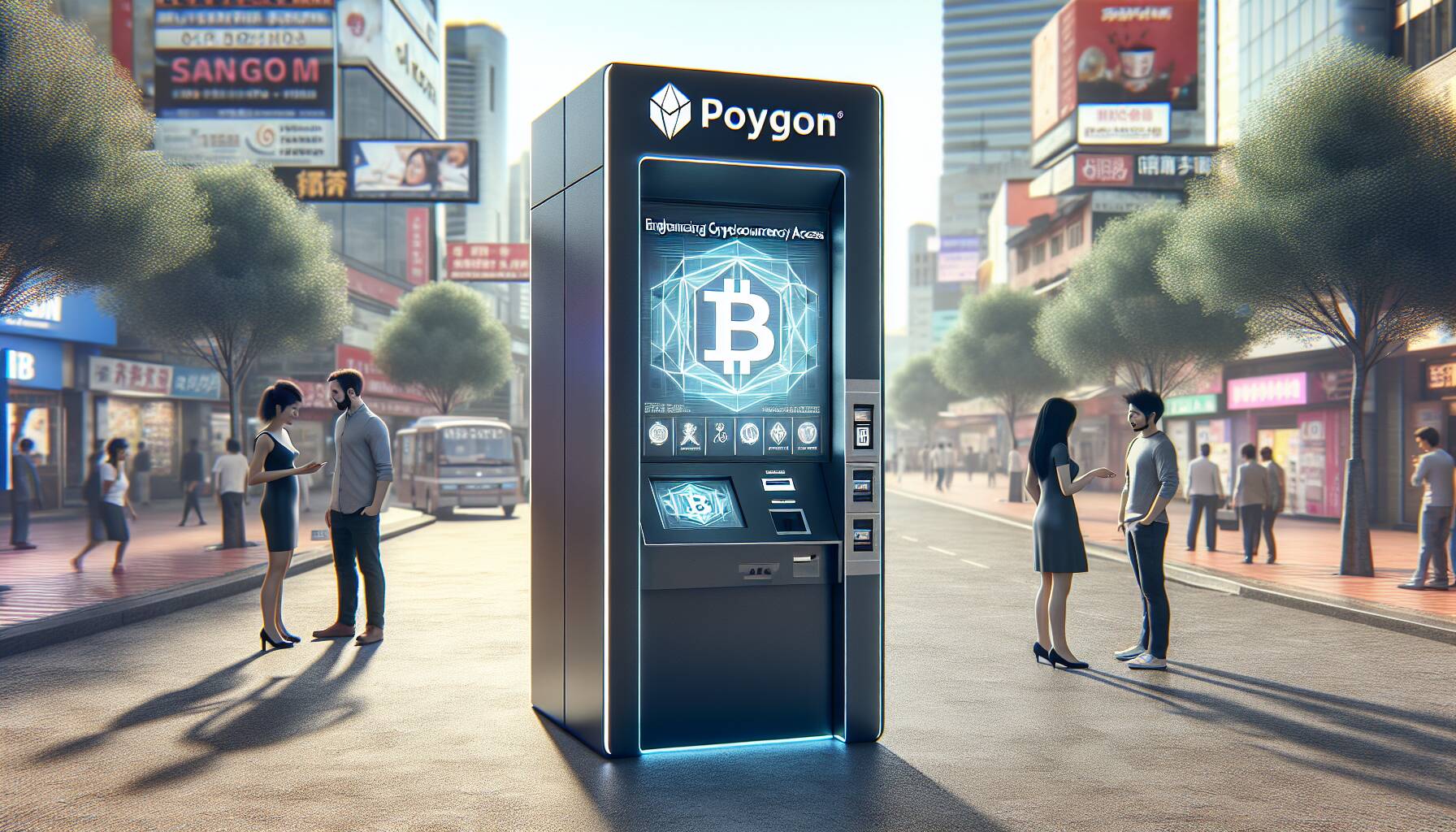
Polygon’s Acquisition of Bitcoin ATM Provider
Key points related to this acquisition include:
- Financial Details:
- Polygon is paying between $100 million to $125 million for the acquisition.
- Strategic Expansion:
- This move potentially enhances Polygon’s footprint in the cryptocurrency market.
- Enables Polygon to diversify its services and offerings within the blockchain ecosystem.
- Market Impact:
- Acquisition may lead to increased accessibility of Bitcoin ATMs for consumers.
- Could influence competition among cryptocurrency service providers.
- Implications for Users:
- More ATMs may support greater Bitcoin adoption and ease of transactions.
- Users might benefit from improved services and innovations in the crypto space.
Polygon’s Bold Move: A Strategic Acquisition of Bitcoin ATM Provider
Polygon’s recent acquisition of a bitcoin ATM provider for a staggering $100 million to $125 million positions the company in a lucrative niche within the cryptocurrency ecosystem. This investment highlights Polygon’s aggressive strategy to enhance its service offerings, particularly as demand for cryptocurrency transactions at physical points continues to rise.
In comparison to other news in the sector, such as Coinbase’s expansion into traditional financial services, Polygon’s focus on bitcoin ATMs allows it to tap into a different market. While Coinbase aims to establish itself as a comprehensive trading platform, Polygon’s move could capitalize on the growing need for accessible crypto solutions, particularly for users who prefer physical interactions over digital platforms. This could create a competitive edge for Polygon, making them a go-to for users seeking immediate access to digital currency.
However, this acquisition also comes with potential challenges. The bitcoin ATM landscape is already crowded, with established players like Coinme and Bitstop leading the charge. Polygon will need to differentiate itself by offering superior services or unique partnerships to gain market share. Additionally, regulatory hurdles around cryptocurrency transactions could pose setbacks that may limit growth opportunities in certain regions.
The acquisition could particularly benefit retailers looking to provide customers with convenient crypto payment options. By incorporating bitcoin ATMs into their locations, businesses can attract a new clientele interested in leveraging crypto for everyday purchases. On the flip side, traditional banking institutions might find this development concerning, as it increases competition and threatens their traditional transaction models, potentially leading to a shift in customer behavior towards decentralized finance.