










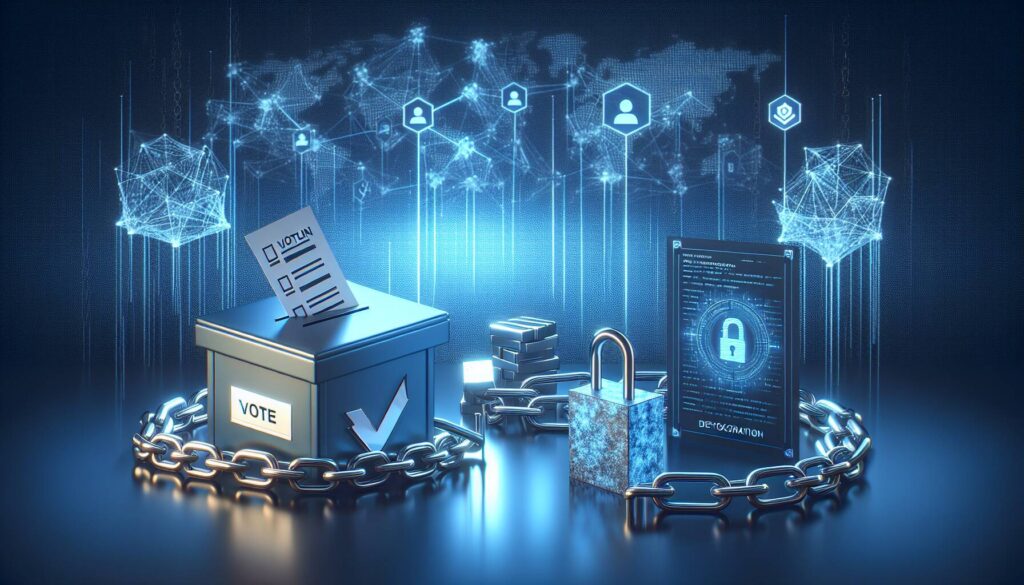
In a groundbreaking development, a new system has emerged that aims to revolutionize the voting process by harnessing advanced blockchain technology. This innovative approach employs zero-knowledge proofs alongside secure environments, such as Multi-Party Computation (MPC) and Trusted Execution Environments (TEEs), to ensure the integrity and privacy of voters’ identities and sensitive data.
“This technology not only enhances security but also aims to eliminate the risks of coercion and bribery in the voting process,”
the developers assert. By implementing these cutting-edge mechanisms, the system promises a transparent and trustworthy electoral environment. As the cryptocurrency industry continues to explore new frontiers, this initiative marks a significant stride towards integrating digital solutions in democratic processes, showcasing the potential of blockchain beyond financial transactions.
With concerns around election security and voter privacy becoming more prevalent, the introduction of such advanced technologies is a welcome sign for advocates of democratic integrity. This initiative highlights how the intersection of cryptocurrency and civic engagement can pave the way for safer, more reliable voting systems in the digital age.
Impact of Zero-Knowledge Proofs in Voting Security
The implementation of advanced security measures in voting systems can significantly influence voter confidence and the integrity of elections.
- Protection of Voter Identity:
- The use of zero-knowledge proofs ensures that voter identities remain anonymous.
- This anonymity can reduce the risk of coercion and protect voters from potential threats.
- Security of Sensitive Data:
- Secure environments, such as Multi-Party Computations (MPC) and Trusted Execution Environments (TEEs), safeguard data from unauthorized access.
- This protects the integrity of the voting process, ensuring that votes are accurately counted without interference.
- Prevention of Coercion and Bribery:
- Anonymity in voting may deter bribery and coercion, as voters cannot be easily manipulated or threatened.
- This encourages more individuals to participate in the electoral process without fear of repercussions.
- Enhancing Voter Trust:
- Transparent and secure voting technology can lead to increased public trust in election outcomes.
- Trust in the electoral process may boost voter turnout and civic engagement.
- Broader Implications for Digital Security:
- Adopting these technologies can influence other sectors, enhancing the overall security of personal data online.
- As voters become more aware of digital security, they may demand better protection of their information in all online transactions.
Enhancing Voter Security with Cutting-Edge Technology
The introduction of a voting system leveraging zero-knowledge proofs alongside secure environments such as Multiparty Computation (MPC) and Trusted Execution Environments (TEEs) is a significant step forward in electoral technology. This approach ensures that voter identities remain confidential while safeguarding sensitive data, which is crucial in an era where election integrity is often questioned. The ability to prevent coercion and bribery sets this system apart from traditional voting methods that are prone to such vulnerabilities.
When comparing this innovative system to existing electoral technologies, a clear competitive advantage emerges: enhanced privacy. Traditional electronic voting systems often struggle with concerns about voter anonymity and data security. By adopting zero-knowledge proofs, this new system allows for the verification of votes without exposing the voter’s identity, a feature that significantly bolsters trust among voters.
However, the introduction of this advanced technology also presents certain disadvantages. The complexity of implementation could deter jurisdictions with limited technical resources or expertise, potentially creating a divide in accessibility. Furthermore, the integration of such systems may face resistance from conventional entities entrenched in the status quo of voting practices.
This innovation can benefit a wide range of stakeholders, including government election officials seeking to boost voter confidence and participation. It could also support organizations focused on election integrity and advocacy groups that aim to protect voter rights against coercion. Conversely, traditional voting machine manufacturers may face challenges as their products become less relevant, prompting economic implications for those companies. Additionally, political entities that thrive on manipulating voter behavior may find their tactics hindered by the heightened security and privacy this system offers.