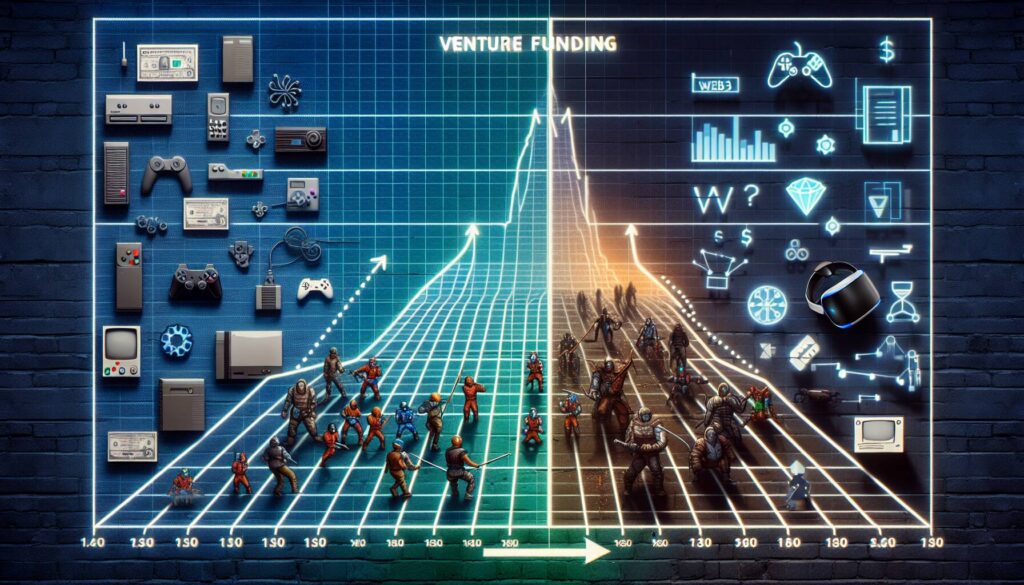
The cryptocurrency landscape is witnessing a significant shift as venture funding trends evolve. In a landscape where gaming once dominated, accounting for an impressive 63% of all Web3 venture funding in 2022, the tides have begun to turn. As we approach 2025, predictions indicate that this share is expected to dwindle to single digits. This transition signals a broader capital rotation towards sectors such as artificial intelligence, real-world assets, and layer-2 infrastructure.
“The rapid move away from gaming funding highlights a broader trend in investor interests within the cryptocurrency space,”
As the market matures, the focus is shifting towards technologies that bridge the gap between digital and physical currencies, enhancing transaction efficiency and scalability. The increased interest in AI reflects a growing recognition of its potential to innovate and optimize various sectors, while real-world assets promise to bring tangible value into the digital frontier. Layer-2 solutions, designed to improve the capacity and speed of blockchain transactions, are also becoming essential in this evolving ecosystem. As we continue to track these changes, it’s evident that the future of Web3 is multifaceted, embracing a wider range of opportunities beyond its initial gaming-centric focus.

Impact of Gaming’s Shift in Web3 Venture Funding
The following key points highlight the significant changes in Web3 venture funding and their implications:
- 63% Funding in 2022: Gaming dominated Web3 venture funding with a substantial share.
- Shift by 2025: The share of gaming funding dropped to single digits.
- Emergence of AI: Venture capital is increasingly directed towards AI technologies.
- Real-World Assets: Investors are focusing on funding tangible assets and infrastructure.
- Layer-2 Infrastructure Growth: Transition towards layer-2 technologies indicates a search for scalability and efficiency in blockchain.
This shift in funding priorities may influence game developers to innovate more around AI integration and real-world asset utility, potentially leading to new gaming experiences.
- Impact on Gamers: Changes in funding could affect game quality and diversity.
- Investment Opportunities: Investors may need to diversify interests away from gaming.
- Future Technologies: The move towards AI could lead to smarter, more engaging gaming environments.
Web3 Venture Capital Trends: The Shift From Gaming to Emerging Technologies
In 2022, gaming dominated the Web3 landscape, capturing a staggering 63% of all venture funding. This significant investment marked an exciting era for game developers integrating blockchain technologies and enhancing user experiences. However, the scene took a dramatic turn by 2025, with gaming’s share dipping to single digits as venture capital shifted focus to artificial intelligence, real-world assets, and layer-2 infrastructure. The competitive advantages seen in the gaming sector during the boom, particularly those utilizing decentralized technologies, were eclipsed by the burgeoning potential in AI and advanced blockchain solutions.
Companies that thrived in the crypto gaming space may face challenges as investors seek quick returns and scalable innovations. The growing emphasis on AI presents a double-edged sword: while it opens doors for new ventures, it also creates a competitive environment where traditional gaming startups must innovate to keep up. Real-world assets are rising stars in attracting capital, promising tangibility that gaming struggles to provide. This shift indicates a potential decline in investment for gaming startups that fail to integrate these promising technologies.
Investors looking to capitalize on the next wave of technological advancements may find AI and layer-2 solutions more appealing due to their versatility and broad applicability. However, the shifting sands may disadvantage investors and studios heavily rooted in gaming, as they grapple with diminished funding opportunities and evolving market expectations. Adapting to this new landscape will be crucial for maintaining relevance and securing future investments.