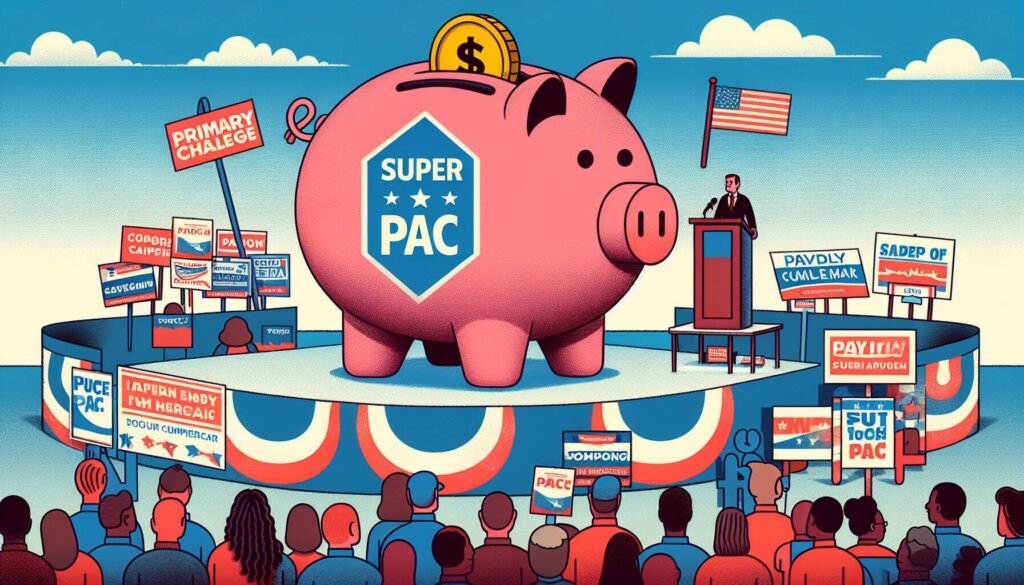
In a striking move that highlights the growing intersection of politics and cryptocurrency, a super PAC has committed a substantial sum of $1.5 million to challenge Representative Al Green in the upcoming primaries. Known for his critical stance on the cryptocurrency industry, Green’s position has made him a target for opponents who see his views as detrimental to the burgeoning digital asset space.
This financial backing aims to support a primary challenger who advocates for a more favorable regulatory environment for cryptocurrencies, reflecting a trend where political funding increasingly aligns with the interests of specific industries. As the cryptocurrency market continues to evolve, the implications of such political maneuvers could reverberate throughout Capitol Hill, influencing legislation and regulations that affect this dynamic sector.
“This unprecedented investment by a super PAC underscores the significant stakes involved in shaping the future of cryptocurrency regulation in the United States,” an industry analyst noted.
The battle in the primaries is not just about one seat; it represents a larger narrative about how politics could steer the direction of crypto policy in an era of rapid technological advancement. As stakeholders from both sides gear up for what promises to be a heated political clash, the outcome could set critical precedents for the relationship between lawmakers and the ever-expanding world of digital currencies.
Impact of Super PAC Support in Political Campaigns
The allocation of funds by super PACs can significantly shape political landscapes. Here are some key points related to the topic:
- Financial Support: The super PAC is investing $1.5 million to influence the outcome of the election.
- Targeted Candidate: Representative Al Green is specifically being challenged due to his critical stance on the crypto industry.
- Primary Challenger: The funding aims to bolster a primary challenger against Green, potentially shifting the balance of power within the Democratic Party.
- Crypto Industry Influence: A successful challenge against Green could signal increased political leverage and influence of the crypto industry in future policymaking.
- Voter Engagement: The outcome could motivate voters, particularly those in the tech and finance sectors, to engage more actively in politics.
The dynamics of financial backing and its implications on representative accountability are critical for understanding modern political engagement.
Strategic Moves in the Political Arena: Super PAC Targets Al Green
The dynamic landscape of political funding has taken an intriguing turn as a significant super PAC allocates $1.5 million to unseat Representative Al Green, a notable critic of the crypto industry. This targeted investment highlights the fierce competition surrounding legislative influence over cryptocurrency regulations, a hot-button issue that’s attracting attention from multiple fronts.
In comparison to other recent political maneuvers, this move stands out for its direct attack on a sitting incumbent. Similar efforts have been seen where super PACs focus on pivotal races to swing votes or bolster candidates more amenable to specific interests, particularly in the tech and finance sectors. However, the approach carries inherent risks; opposing a well-established figure like Al Green could galvanize his current supporters and draw public scrutiny towards the super PAC’s motivations.
On the competitive edge, this substantial financial backing allows for a comprehensive campaign that can strategically disseminate messages and advertisements aimed at swaying undecided voters. It reflects a growing trend where established political figures face pushback from new challengers backed by substantial funding, aiming to reshape the narrative surrounding contentious issues like cryptocurrency. These strategies could benefit up-and-coming candidates who advocate for more favorable regulations towards cryptocurrency, positioning them as frontrunners in future elections.
However, this strategy could create challenges for those involved, particularly if the negative campaign against Green backfires, leading to increased voter turnout in defense of his record. Furthermore, it risks alienating moderate constituents who may view such aggressive tactics as overly confrontational, potentially hurting the chances of the chosen challenger and reinforcing Green’s base. Overall, the intersection of political funding and cryptocurrency positions this situation as a critical moment to watch for future implications in both the political and financial arenas.