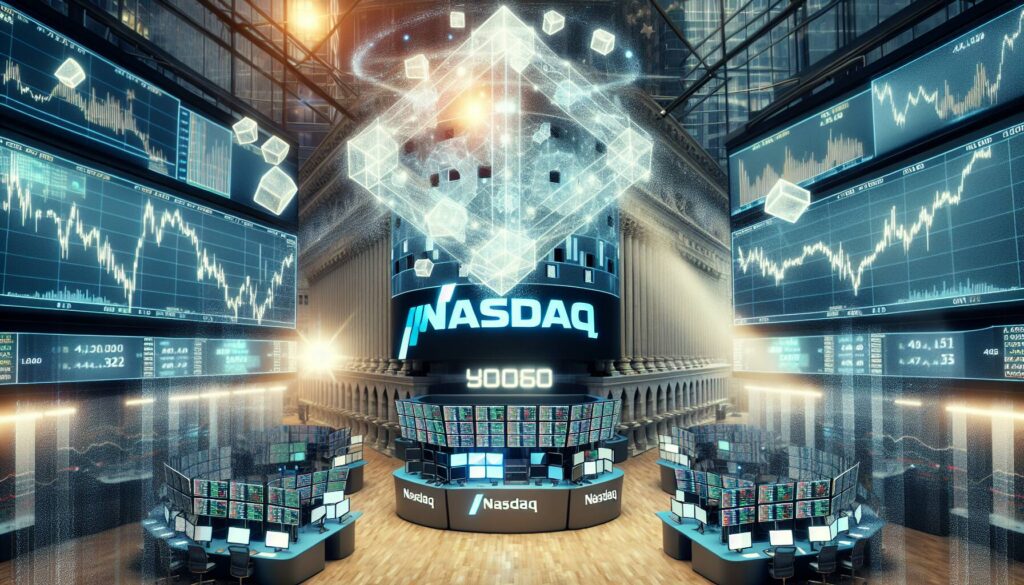











The cryptocurrency landscape is undergoing a significant transformation, primarily fueled by the rising popularity of tokenized futures. This innovative financial instrument allows traders to engage with traditional asset classes such as equities and commodities—including essential resources like oil, gold, and silver—through a digital format. As more investors turn their attention to these tokenized products, the trading environment is adapting swiftly to accommodate this trend.
Tokenized futures enable participants to gain exposure to price movements of underlying assets without needing to own them physically. This shift has been particularly advantageous in a volatile market, as it offers flexibility and transparency. Recent data showcases the growing interest in these futures, with trading volumes reflecting a marked increase as more users recognize the potential benefits of integrating cryptocurrencies with conventional trading strategies.
“The incorporation of tokenized futures is reshaping how we approach trading in the crypto space, bridging the gap between traditional finance and digital assets,”
market analysts suggest, highlighting the exciting opportunity for diversification and risk management. As traders continue to explore the possibilities within tokenized futures, the cryptocurrency market may very well redefine the future of investing and asset trading.

Impact of Tokenized Futures on Trading
Tokenized futures on equities and commodities like oil, gold, and silver are reshaping trading dynamics. Here are the key points:
- Increased Liquidity: Tokenization enhances market liquidity, making it easier for traders to enter and exit positions.
- Lower Barriers to Entry: Fractional ownership allows more investors to participate, democratizing access to futures trading.
- Transparency and Security: Blockchain technology ensures secure and transparent transactions, reducing fraud risks.
- 24/7 Trading Opportunities: Tokenized futures can be traded around the clock, offering flexibility to global investors.
- Real-Time Settlements: Instant settlement of trades reduces counterparty risk and enhances efficiency.
These innovations could significantly impact individual trading strategies and overall market accessibility.
Analyzing the Impact of Tokenized Futures in Equity and Commodity Trading
The rise of tokenized futures in the realms of equities and commodities is reshaping market dynamics. As traditional trading models are challenged, the appeal of cryptocurrency-based derivatives is evident. Tokenized futures enable enhanced liquidity and accessibility, allowing a broader array of investors to participate in trading oil, gold, and silver contracts. This democratization of trading can lead to higher trading volumes and improved price discovery.
However, with these competitive advantages come notable disadvantages. The volatility inherent in cryptocurrency markets may deter risk-averse investors from engaging in tokenized trading. Moreover, regulatory uncertainties surrounding digital assets pose potential risks for both traders and platforms, as they navigate an evolving legal landscape. Traditional institutions could find themselves at a crossroads, as clients may gravitate toward these innovative trading solutions while striving to maintain regulatory compliance.
This shift is likely to benefit retail investors who seek a more flexible trading environment, enabling them to execute strategies that were previously constrained by traditional market hours or high capital requirements. Conversely, for traditional commodity traders and financial institutions, the rise of tokenized futures could create challenges in terms of competition, as they may need to adapt their offerings to retain market share. The interplay of opportunities and challenges in this rapidly evolving space will be critical for stakeholders aiming to navigate the future of trading.