







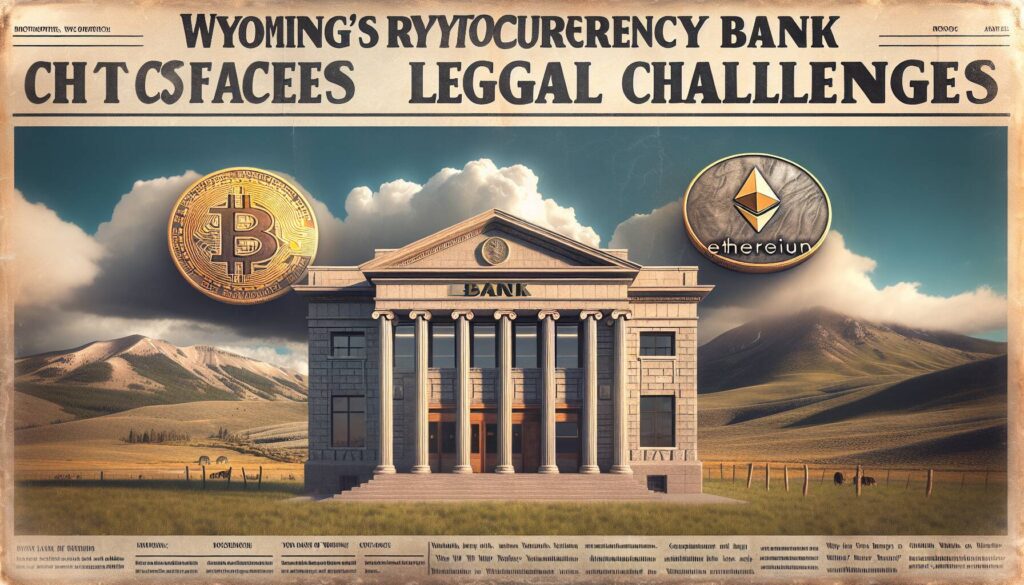
A significant legal development has emerged from Wyoming, where a cryptocurrency bank is raising alarms over a recent court ruling. The bank contends that a three-judge panel’s decision could jeopardize state banking authorities and set a troubling precedent in the burgeoning cryptocurrency landscape. This situation is not just a local concern; it touches on broader questions about the governance and regulation of the fast-evolving financial technology sector.
“The ruling raises serious constitutional questions that could impact how cryptocurrency banks operate in the future,”
In an era where cryptocurrency is vying for legitimacy, this case highlights the tension between innovative financial practices and traditional regulatory frameworks. With Wyoming positioning itself as a progressive hub for blockchain and crypto-related businesses, the implications of this ruling could resonate far beyond its borders and influence the entire industry.
As stakeholders closely monitor developments, the conversation around the intersection of state rights and federal oversight continues to evolve, revealing the complexities and challenges ahead for the cryptocurrency sector.
The Impact of Wyoming’s Cryptocurrency Bank Case
The recent ruling by a three-judge panel regarding a Wyoming-based cryptocurrency bank has raised important issues concerning state banking authorities and constitutional rights. Here are the key points:
- Constitutional Concerns: The bank argues that the decision undermines state rights and poses significant constitutional questions.
- Authority of State Banking Regulators: Questions arise about the extent of power that state banking authorities have over cryptocurrency transactions.
- Impact on Cryptocurrency Regulation: The ruling may influence how cryptocurrency banks are regulated at state and federal levels.
- Future of Cryptocurrency Banking: This case could set a precedent for the establishment and operation of cryptocurrency banks across the U.S.
- Investor Confidence: Uncertainty in regulatory frameworks may impact investor confidence in cryptocurrency markets.
These points reflect the ongoing tensions between state and federal authority in the evolving landscape of cryptocurrency regulation, which could directly affect users and investors in their financial decisions.
Wyoming’s Cryptocurrency Bank Challenges Regulatory Authority
The ongoing debate surrounding the regulatory framework for cryptocurrency banks is heating up, particularly with the recent challenge presented by a Wyoming-based cryptocurrency bank. This institution has raised alarms about the implications of a three-judge panel’s decision, which they argue compromises the integrity and authority of state banking regulators. In comparison to other states where cryptocurrency legislation is more permissive, Wyoming’s approach has been relatively cautious, positioning itself as a leader in regulatory clarity. However, this latest development may hinder its reputation as a safe haven for crypto innovation.
Competitive Advantages: The cryptocurrency bank in question is fortifying its stance as a defender of state sovereignty and constitutional rights. By contesting these judicial decisions, it reinforces its commitment to maintaining a robust regulatory environment that protects consumers and investors alike. This could bolster its credibility and attract clients who are concerned about the sustainability of their investments amid regulatory uncertainty.
Disadvantages: On the flip side, this staunch resistance could alienate partnerships with other financial institutions aligned with a more adaptive approach to regulation. The bank’s combative stance risks painting it as inflexible at a time when many competitors are embracing agility and innovation in response to evolving cryptocurrency markets.
This news is particularly relevant for investors and stakeholders in the cryptocurrency sector who may view the outcomes of these legal battles as indicators of the future stability of their ventures. Conversely, it poses potential challenges for traditional banking institutions that may need to recalibrate their strategies in light of such disruptions within the regulatory landscape.